

Structural firefighter PPE is life-critical protection for interior attack. Its job is clear: protect crews during structural fire operations, where flashover temperatures can exceed 1,100°F (593°C) within minutes. Outside that context—wildland, ARFF, or industrial incidents—other ensembles are required (e.g., NFPA 1977 wildland clothing, proximity suits). Modern turnout gear is built to NFPA 1971 and combines three layers: an outer shell, moisture barrier, and thermal liner. Together they manage heat, flame, and water while preserving range of motion. Design choices must balance Thermal Protective Performance (TPP) and Total Heat Loss (THL) so firefighters can move effectively while carrying SCBA and tools. For departments and procurement teams, selecting PPE is a technical decision with life-safety consequences: match the ensemble to the hazard, verify certification, and confirm fit and mobility through structured wear trials.

Definition of structural firefighting PPE
Structural firefighting ppe, often called turnout gear, refers to the full protective ensemble designed for interior firefighting operations under NFPA 1971. It is not a single garment but a system that typically includes a coat, pants, boots, gloves, helmet, hood, and SCBA interface. The defining purpose is to shield firefighters from high radiant heat, flame exposure, and falling debris encountered in structural fires. Unlike wildland or proximity suits, structural firefighting gear is optimized for short-duration, high-intensity interior attacks rather than long-term wear. A standard set incorporates three textile layers—the outer shell, moisture barrier, and thermal liner—engineered to work together for flame resistance, water repellence, and insulation. This definition is precise: structural PPE means a certified, multi-layer ensemble built for building fire environments, not general-purpose protective clothing.
The Moisture Barrier in Structural Firefighter PPE
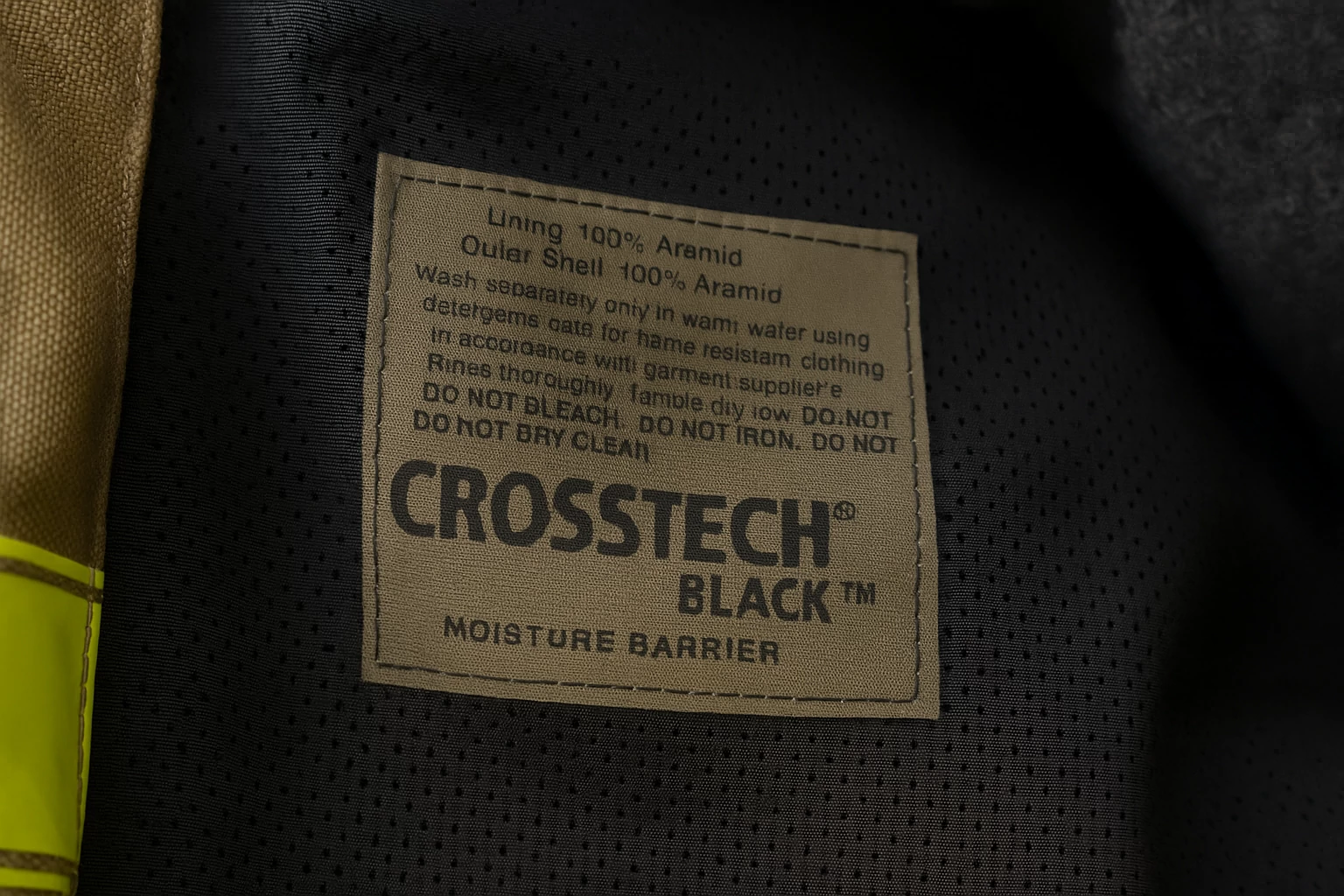
The moisture barrier is the middle layer in structural firefighting PPE, positioned between the outer shell and thermal liner. Its primary role is to block water, steam, and hazardous liquids from reaching the firefighter’s body while allowing sweat vapor to escape. According to NFPA 1971, the barrier must resist a minimum of 1 psi water pressure and maintain strength after exposure to heat and abrasion. Modern barriers often use PTFE-based laminates or PU membranes bonded to fire-resistant substrates. Beyond waterproofing, the barrier provides a critical line of defense against bloodborne pathogens and chemicals, reducing occupational health risks. Firefighters depend on its durability, since a compromised barrier can quickly lead to steam burns when water penetrates under high heat. By balancing liquid resistance with breathability, the moisture barrier directly influences comfort, heat stress, and the overall service life of turnout gear.
| Layer | Primary Function | Key Materials | NFPA 1971 Requirements |
| Outer Shell | First line of defense against flames, heat, and abrasion. | Aramid blends (Nomex®, Kevlar®) | Flame resistance, tear strength, UV/chemical durability |
| Moisture Barrier | Blocks water, steam, and hazardous liquids while allowing sweat vapor to escape. | PTFE laminates, PU membranes | ≥ 1 psi hydrostatic resistance, liquid/chemical penetration resistance |
| Thermal Liner | Provides thermal insulation and manages heat stress. | Quilted aramid + insulation | Thermal Protective Performance (TPP) and Total Heat Loss (THL) ratings |
What Is Structural Firefighter PPE Designed to Do
Structural firefighter PPE—also known as turnout gear or bunker gear—is designed to do one thing: buy time where there is none.
Inside a burning structure, firefighters face lethal combinations of radiant heat, scalding steam, and collapsing debris. Structural PPE is engineered to hold back that assault long enough for crews to advance a line, rescue occupants, or make a push toward the seat of the fire. It’s not built for comfort—it’s built for survival.
Functions:
Thermal Protection:
The three-layer construction—outer shell, moisture barrier, and thermal liner—creates an insulated air pocket that delays heat transfer. Certified under NFPA 1971 (2024 Edition), most ensembles achieve TPP ≥ 35 cal/cm², equal to roughly 17.5 seconds of direct flame resistance during testing.Physical Protection:
The gear shields against impact, sharp edges, and abrasion. Reinforced knees, drag-rescue devices (DRD), and steel/composite-toe boots protect during collapses and rescues.Chemical and Biological Protection:
The moisture barrier prevents liquid penetration from blood, fuel, and chemicals, maintaining integrity during steam or hose-line exposure. Gloves and face protection meet liquid and pathogen resistance tests specified in NFPA 1971.Integrated Ensemble Components:
A full system includes the helmet, face shield, gloves, pants, coat, and SCBA, each tested for flame, impact, and heat performance. Together they provide comprehensive defense against flashover conditions and superheated gases.
Even with the best-rated gear, structural PPE doesn’t make you fireproof—it buys seconds. When room temperatures exceed 500°F (260°C) and the thermal layer begins to saturate, every movement counts. The difference between egress and injury often comes down to those few seconds of insulation and the mobility to use them. Understanding how the ensemble performs under stress is what separates equipment use from true fireground survival.
The Components of a Complete Structural Firefighter PPE Ensemble
A complete Structural Firefighter Personal Protective Equipment (PPE) ensemble is engineered to protect firefighters from thermal, mechanical, and environmental hazards during interior structural firefighting. Each component is designed to meet rigorous NFPA 1971 standards and contributes to the overall safety, performance, and survivability of the wearer.
Helmet
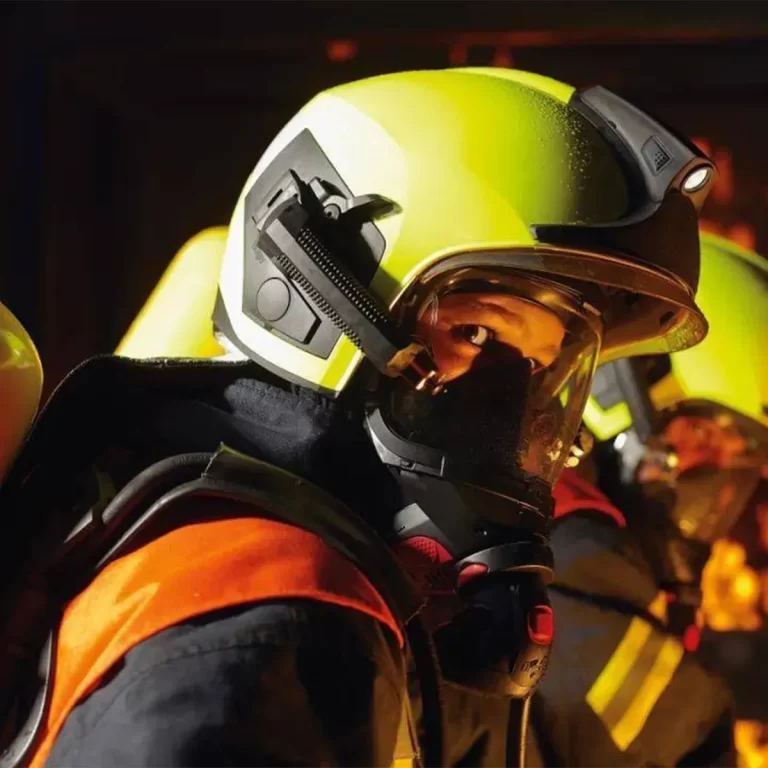
The structural firefighting helmet is built with a thermoplastic or composite outer shell and an energy-dispersing impact liner to protect against falling debris, radiant heat, and limited electrical hazards. Integrated features like a flame-resistant neck shroud, chin strap, and face shield or goggles enhance protection and usability.
According to NFPA 1971, the helmet must meet strict requirements for impact attenuation and electrical insulation, and the National Fire Protection Association recognizes it as a primary line of defense against head trauma.
Protective Hood
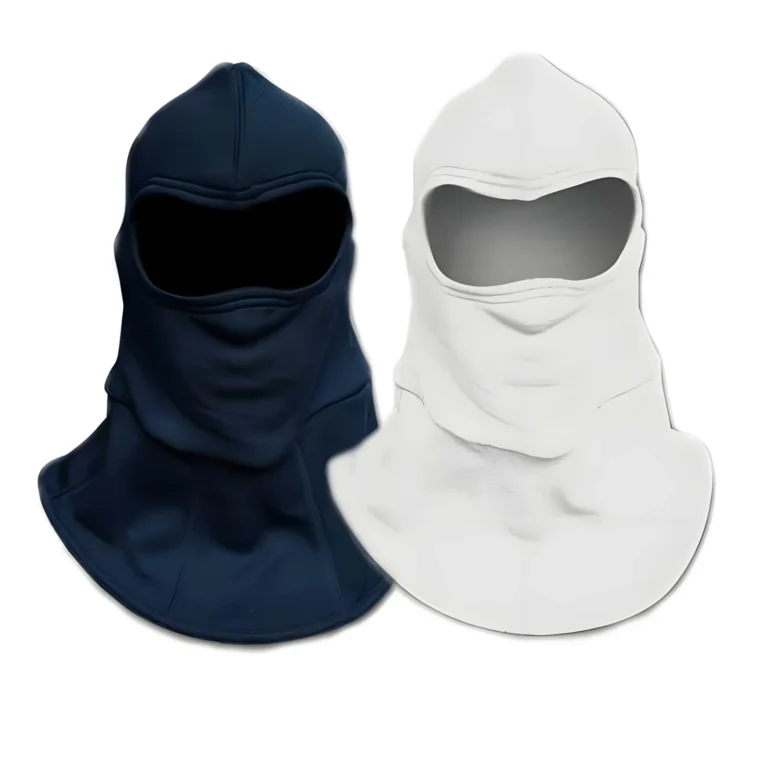
Constructed from advanced flame-resistant fabrics such as Nomex® or PBI®, the protective hood shields the vulnerable areas of the head, neck, and ears while bridging the gap between the helmet and turnout coat. Many modern hoods incorporate particulate-blocking layers to prevent carcinogen exposure, which the Fire Protection Research Foundation has identified as a key innovation in reducing firefighter cancer risk.
Turnout Coat
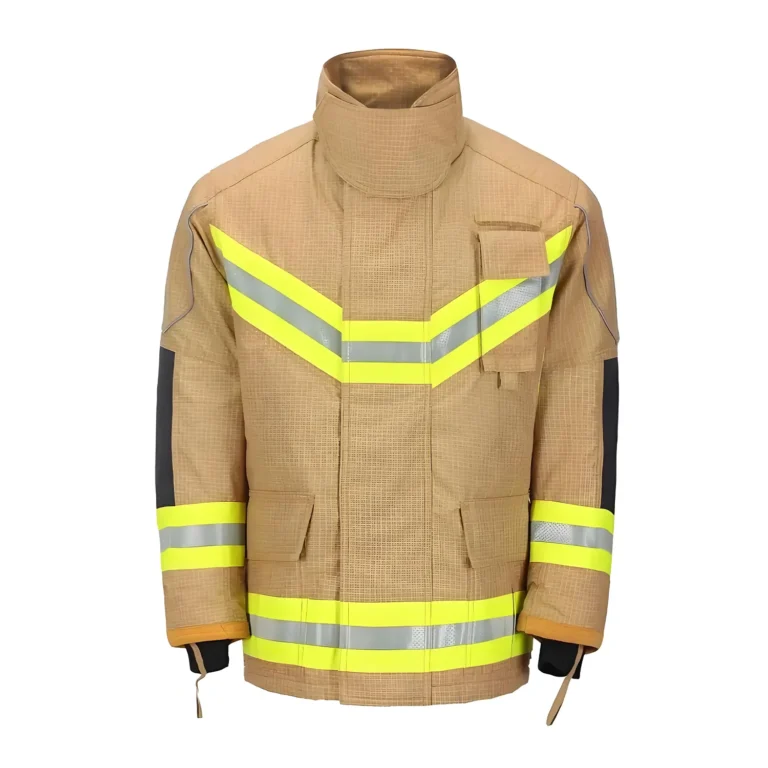
The turnout coat protects the upper body from flame, steam, and mechanical hazards using a three-layer construction: a flame- and abrasion-resistant outer shell, a moisture barrier, and a thermal liner. Designed to meet TPP (Thermal Protective Performance) and THL (Total Heat Loss) benchmarks outlined in NFPA 1971, the coat balances thermal insulation with breathability. It remains one of the most rigorously tested elements of the PPE ensemble per UL performance testing protocols.
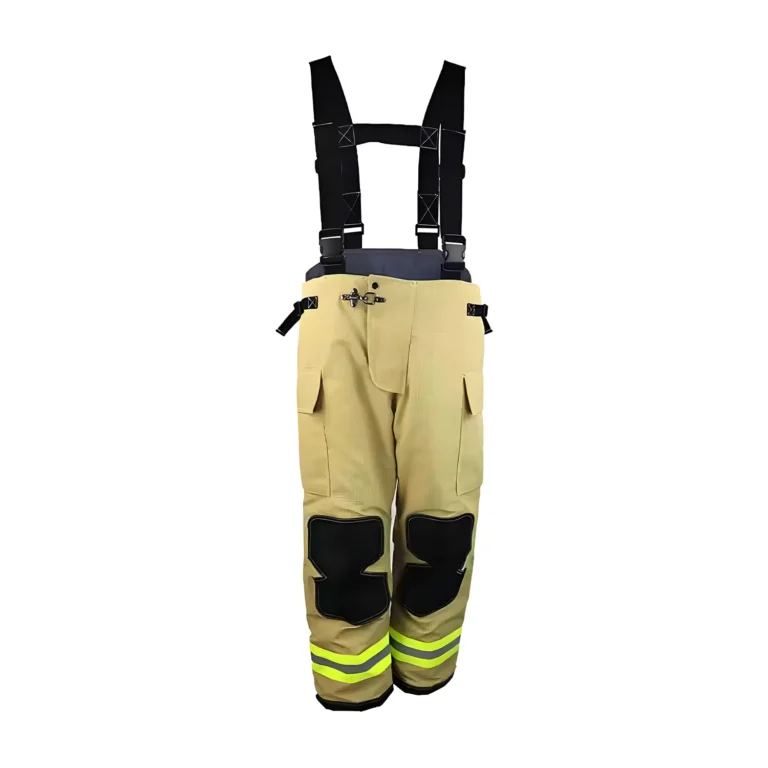
Turnout Pants
Working in conjunction with the turnout coat, these pants use the same three-layer system to protect the lower body from burns, moisture, and abrasion. Reinforced knees, cuffs, and a bib-style front enhance durability and comfort. According to UL and IAFF recommendations, pants should offer unrestricted mobility while maintaining full lower-body protection.
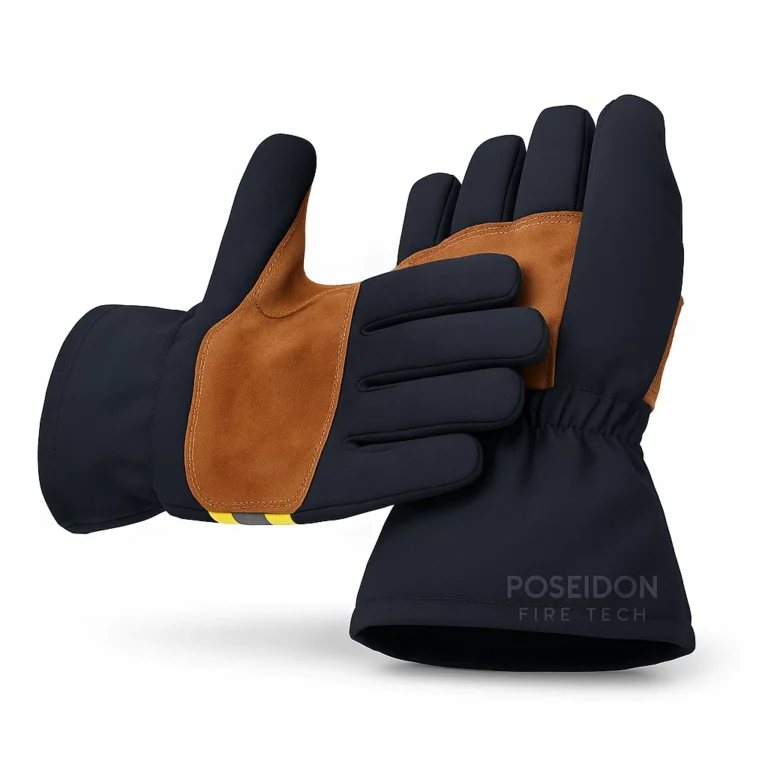
Firefighting Gloves
Firefighting gloves are designed to withstand extreme heat and mechanical hazards while preserving dexterity. Made from fire-resistant materials and incorporating a moisture barrier, reinforced seams, and extended cuffs, they enable firefighters to manipulate tools effectively under duress. NFPA 1971 mandates that gloves demonstrate both radiant heat resistance and puncture protection to ensure firefighter safety in diverse operational scenarios.
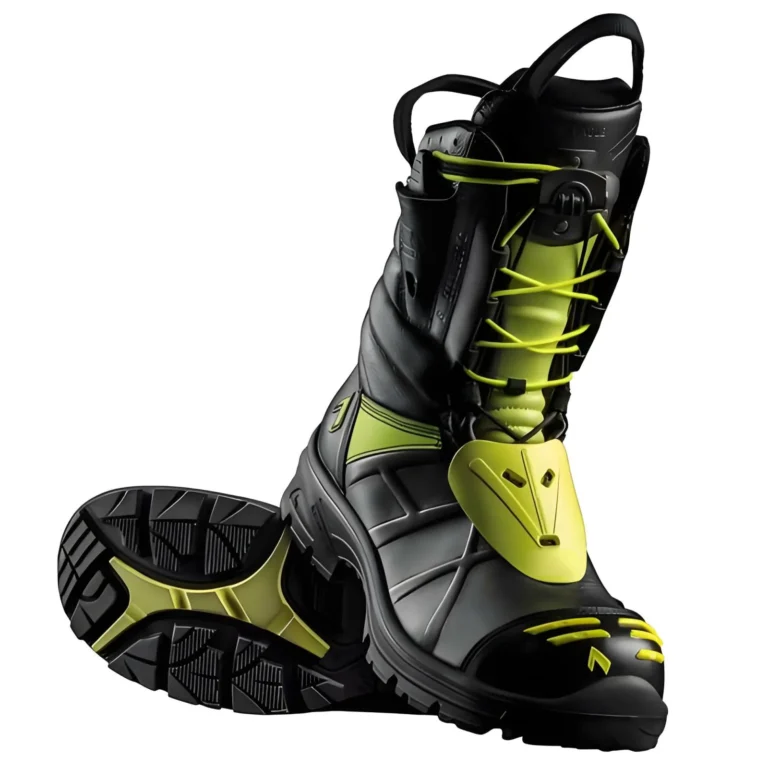
Firefighting Boots
Structural firefighting boots are a critical component of personal protective equipment for fire fighters, combining durability, thermal protection, and mechanical resistance to ensure safety during high-risk operations. Whether constructed from leather or rubber, these boots are designed with high-cut profiles that integrate seamlessly with turnout pants to create a watertight and debris-resistant seal.
To withstand the hazardous conditions of the fireground, these boots incorporate flame resistant materials, steel or composite toe caps, and puncture-resistant soles. Traction is also essential—boots must maintain grip on wet or uneven surfaces to prevent slips and falls during rapid movement.
According to NFPA standard 1971 and NIOSH guidance, the requirements for structural firefighting boots include electrical hazard protection, a moisture barrier, and resistance to heat, flame, water, and sharp debris. Boots must be clearly labeled with third-party certification, such as from the Safety Equipment Institute (SEI), verifying compliance with all relevant performance criteria.
By meeting every NFPA standard and exceeding the operational demands of modern fire service, Poseidon’s structural firefighting boots provide fire fighters with reliable protection, comfort, and durability—supporting mission readiness in every emergency scenario.
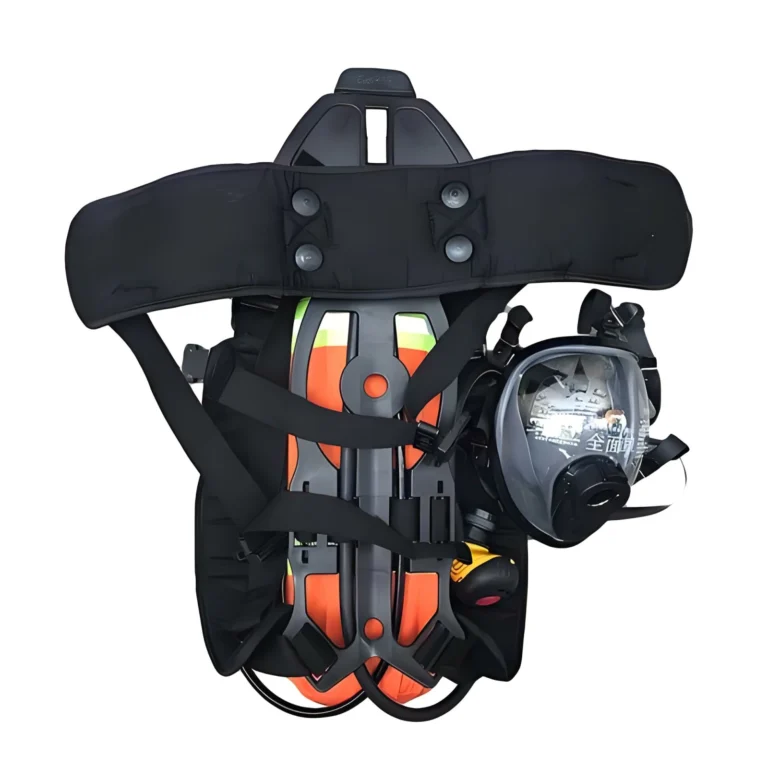
Self-Contained Breathing Apparatus (SCBA)
The SCBA delivers clean air in IDLH (Immediately Dangerous to Life and Health) environments using high-pressure cylinders (2216 or 4500 psi), a full-face mask with voice amplifier, and a secure harness/backplate system. Regulated under NFPA 1981, the SCBA is considered by the NFPA to be one of the most critical life-safety devices in fireground operations, with required tests for air flow, pressure regulation, and facepiece integrity.
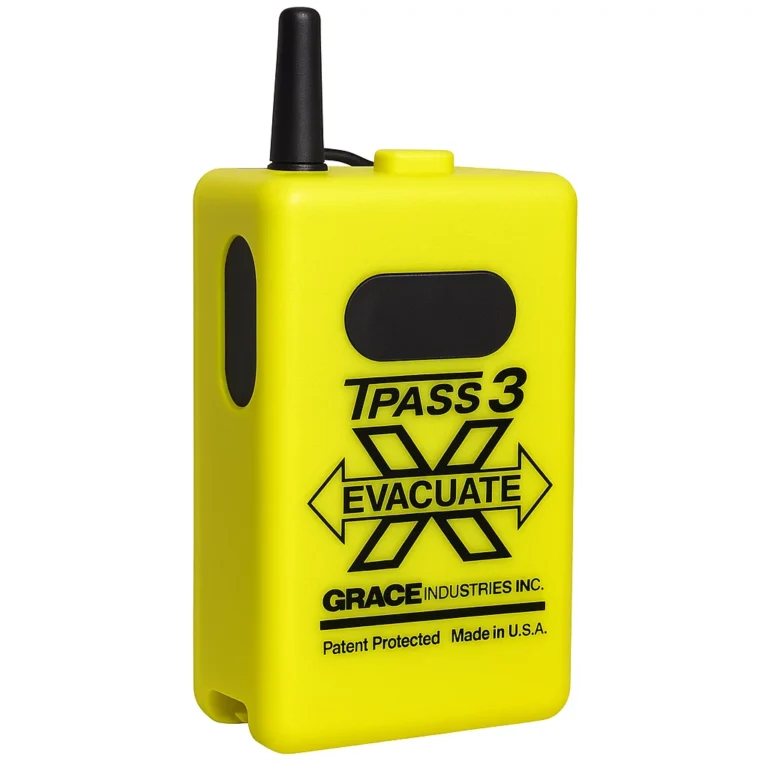
Personal Alert Safety System (PASS) Device
This alarm system emits a loud alert if the wearer remains motionless, indicating a possible mayday situation. Integrated into the SCBA or worn as a standalone unit, it can be manually or automatically activated. PASS devices are essential for Rapid Intervention Teams (RITs), and their use is endorsed by NIOSH and embedded in NFPA 1982 requirements.
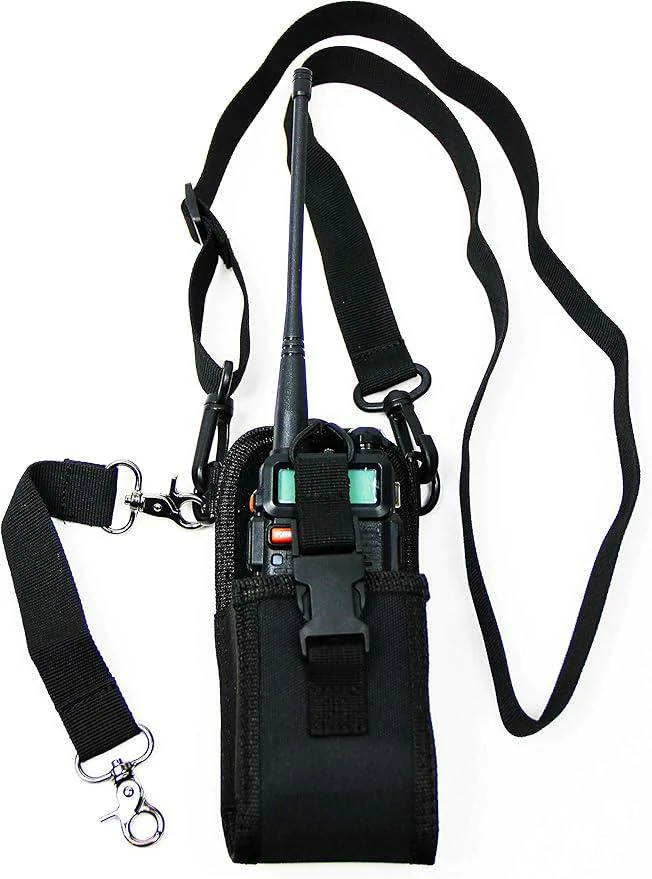
Firefighter Radio & Accountability System
Communication and personnel tracking are critical for scene coordination. Radios secured via harnesses allow hands-free communication, while accountability systems, including RFID tags or barcode identifiers, ensure accurate tracking of firefighter movements. These systems align with NFPA 1561 command structure standards and are increasingly supported by interoperable digital tracking platforms recognized by IAFC best practices.
Common Misconceptions About Structural Firefighter PPE
Common misconceptions about structural firefighter PPE drive unsafe choices in the fire service. Heavier turnout gear does not equal safer; performance is governed by NFPA 1971 testing. Many 6–7 oz/yd² Nomex/Kevlar outer shells meet composite TPP ≥ 35 cal/cm² while improving range of motion and reducing heat stress.
Myth: The moisture barrier makes gear “waterproof.”
Fact: It blocks liquid, steam, and pathogens while remaining breathable; insulation comes from the thermal liner—trapped water raises steam-burn risk.Myth: One set covers every scenario.
Fact: Structural fire ensembles differ from wildland and proximity gear; match PPE to hazard and mission profile.Myth: Higher TPP is always better.
Fact: Balance TPP with Total Heat Loss (THL)—many departments target ≥ 205 W/m²—to control heat stress during interior attack.
Procurement should verify NFPA 1971 certification, request composite test data (TPP/THL), and run wear trials with SCBA and tools to confirm mobility.
Maintenance and Replacement Cycles
Proper maintenance and timely replacement of structural firefighting PPE are essential to preserving its protective performance and ensuring compliance with NFPA 1851: Standard on Selection, Care, and Maintenance of Protective Ensembles for Structural Fire Fighting and Proximity Fire Fighting.
All PPE must undergo routine inspection by the firefighter after each deployment, including a visual assessment for damage, contamination, and performance degradation. In addition, a comprehensive advanced inspection is mandated at least once annually, conducted by certified personnel trained to identify structural compromise, thermal damage, or material fatigue.
Cleaning protocols require routine field-level decontamination following every fireground exposure to remove carcinogens such as PAHs and other combustion byproducts. According to NFPA 1851, advanced cleaning—using equipment-specific detergents and specialized extraction systems—is required at minimum once per year, or immediately if the gear is visibly soiled, contaminated with hazardous materials, or exposed to biohazards. All drying and storage procedures must prevent UV degradation and cross-contamination.
Repairs, when permitted, must be carried out only by authorized personnel using manufacturer-approved materials and methods, as improper repairs can invalidate NFPA certification and compromise ensemble integrity.
NFPA 1851 stipulates a maximum service life of 10 years from the date of manufacture, regardless of visual condition. However, early retirement is required for gear exhibiting irreparable damage, failure in annual inspection, loss of thermal performance, or contamination with substances such as battery acid, hydrocarbons, or bloodborne pathogens.
Regular documentation and adherence to PPE lifecycle protocols not only ensure firefighter safety but also support departmental compliance with liability and occupational health standards.
What is a Structural Fire?
A structural fire refers to any fire that occurs within or on a building or other types of commercial buildings, including homes, office buildings, warehouses, and industrial facilities. These fires present unique and dangerous challenges for firefighters, often involving extreme heat, rapid fire spread, toxic smoke, and the potential for structural collapse. Residential fires, for example, tend to be more intense due to the presence of combustible materials like furniture and carpeting, while industrial fires may involve hazardous chemicals, heavy machinery, and equipment, adding further complexity to firefighting operations.
The main danger posed by a structural fire is not just the flames, but the heat, toxic gases, and unstable structures that firefighters must navigate. Firefighters often enter buildings with limited visibility due to dense smoke, and they may face the risk of sudden collapse or falling debris. The NFPA 1971 standard on protective ensembles for structural fire fighting outlines the performance requirements for PPE that are specifically designed to protect firefighters in such dangerous conditions. The PPE is tested to withstand high temperatures, prevent the penetration of toxic gases and smoke, and protect against physical impacts from falling debris.
The role of PPE in structural fires is crucial for ensuring the safety of firefighters during these high-risk operations. Properly designed and certified gear provides essential thermal protection, shielding firefighters from intense heat, and ensures they are able to perform their duties while maintaining flexibility, comfort, and mobility. Additionally, NFPA-certified PPE includes features like moisture barriers to keep firefighters dry and outer shells that resist heat and abrasion, further contributing to their ability to work safely in hazardous environments.
Structural firefighter PPE is indispensable for ensuring firefighter safety during high-risk structural fire operations. These protective ensembles provide thermal protection, moisture barriers, and durability, all of which are critical for firefighters navigating intense heat, toxic smoke, and potential structural collapse. Properly designed and certified NFPA 1971 PPE is key to maximizing firefighter protection while allowing them to perform their duties effectively in hazardous environments.
Ensuring your team is equipped with the best PPE is crucial for both their safety and their ability to respond swiftly and efficiently to emergencies. Poseidon Fire Tech offers a full range of NFPA-certified PPE solutions tailored to meet the most demanding firefighting conditions.
Contact us today to learn how our protective gear can enhance firefighter safety and performance on the fireground.