Home » Aerosol Fire Suppression System
Condensed Aerosol Fire Suppression System
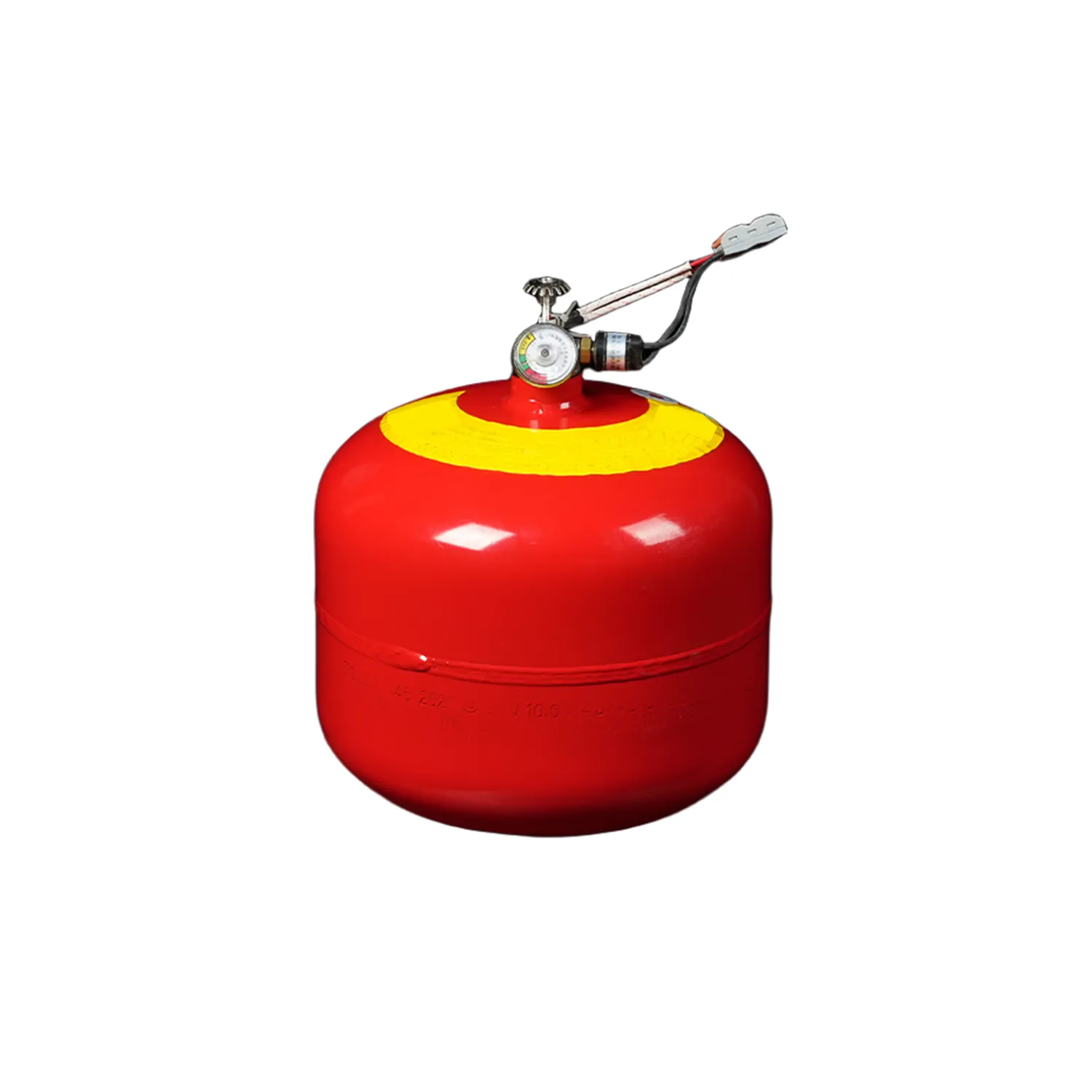
A condensed aerosol fire suppression system uses an aerosol-forming compound to generate fine solid particles and gaseous products when activated.
These discharge products interfere with the chemical reactions that sustain combustion.
The extinguishing medium is stored inside the aerosol generator and released when the configured activation method operates.
System quantity and placement depend on the protected hazard, enclosure, product documentation, and design method used for the selected generator.
Compared with cylinder-based gaseous systems, condensed aerosol uses a different storage and discharge arrangement and can provide compact fixed protection for selected enclosed hazards.
Aerosol discharge includes solid particles. Equipment compatibility, occupancy, visibility, residue, cleanup, and the applicable product approval should therefore be checked for the intended application.


Condensed aerosol generators produce a mixture of fine particles and gases during discharge. Fire suppression occurs mainly through interference with the flame chain reaction.
The discharge should not be described as residue-free because solid particles form part of the aerosol.
The system releases an aerosol-based extinguishing agent that absorbs heat and interrupts the chain reaction at the core of the fire. The aerosol extinguishing agent consists of solid particles and gases.
Upon detection of a fire, the system’s aerosol generators discharge the fire extinguishing agent into the protected space.

Product Features
- Activation and Discharge: Activation and discharge performance depend on the selected generator and system configuration. Use the model documentation for the applicable value.
- System Configuration: Generator quantity and placement depend on the protected enclosure, hazard and product design limits.
- Particulate Discharge: Fine solid particles form part of the aerosol discharge, so residue and cleanup requirements should be considered.
Applications
- Power Generation & Distribution: Condensed aerosol can be evaluated for selected electrical cabinets, control enclosures, and equipment spaces where the selected generator is documented for the hazard and installation conditions.
- Chemical Processing & Laboratories: Use depends on the chemicals present, enclosure, ignition hazard, discharge products, occupancy, and the applicable product approval.
- Data Centers: Do not assume suitability from the absence of water alone. Fine aerosol particles can affect sensitive equipment, so compatibility with the protected equipment and the selected generator documentation should be verified before specification.
NFPA 2010 addresses fixed aerosol fire-extinguishing systems.
Where ATEX, UL, FM, or another approval is required, verify that the exact aerosol generator and intended application carry the relevant documentation before specifying the system.
Technical Specifications
| Model | Coverage Area | Activation Time | Gas Content | Solid Content | Insulation Resistance | Operating Temperature Range | Electrical Safety |
| PS5SW/S | 500 m² (5380 ft²) | <10 seconds | 67% Nitrogen, 30% CO₂, <1% Solid | <1% | >200 ohms | -10°C to 60°C (14°F to 140°F) | 150mA / 5 minutes |
| PS10SW/S | 1000 m² (10,764 ft²) | <10 seconds | 67% Nitrogen, 30% CO₂, <1% Solid | <1% | >200 ohms | -10°C to 60°C (14°F to 140°F) | 150mA / 5 minutes |
| PS20SW/S | 1500 m² (16,146 ft²) | <10 seconds | 67% Nitrogen, 30% CO₂, <1% Solid | <1% | >200 ohms | -10°C to 60°C (14°F to 140°F) | 150mA / 5 minutes |
| PS30SW/S | 1600 m² (17,222 ft²) | <10 seconds | 67% Nitrogen, 30% CO₂, <1% Solid | <1% | >200 ohms | -10°C to 60°C (14°F to 140°F) | 150mA / 5 minutes |
Compare condensed aerosol with other fire suppression system types.