Fire Suppression System

Fire suppression systems use different extinguishing agents and discharge methods because the appropriate system depends on the protected hazard.

Poseidon’s current suppression range includes clean-agent systems, CO₂ systems, dry chemical systems, and condensed aerosol systems. These system families differ in extinguishing agent, residue, storage arrangement, occupancy limitations, installation requirements, and applicable standards.

For system selection, define the hazard, protected enclosure or equipment, occupancy condition, acceptable residue, available installation space, and required project documentation before comparing individual products.

fire suppression system
clean agent fire suppression system

Clean Agent Fire Suppression Systems

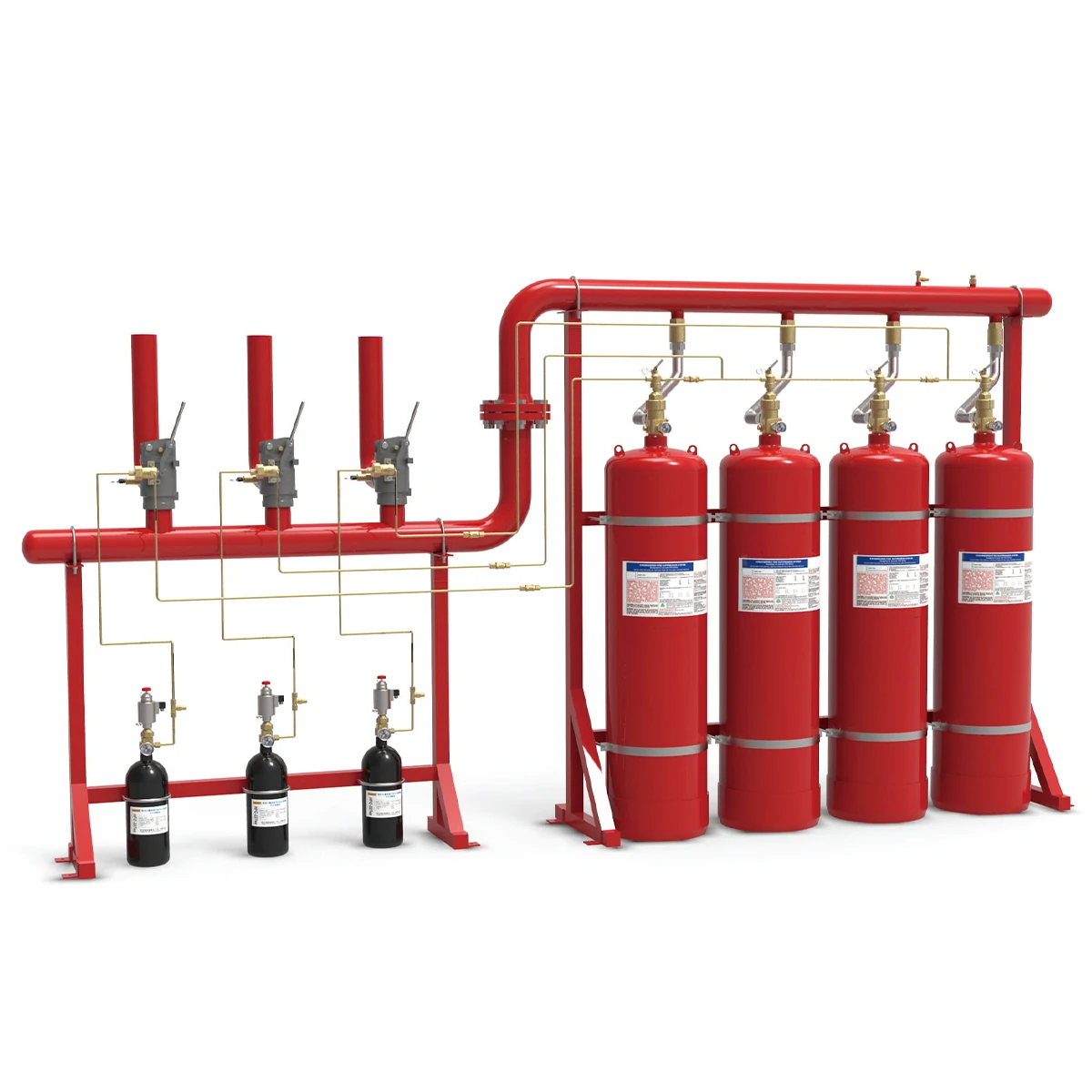
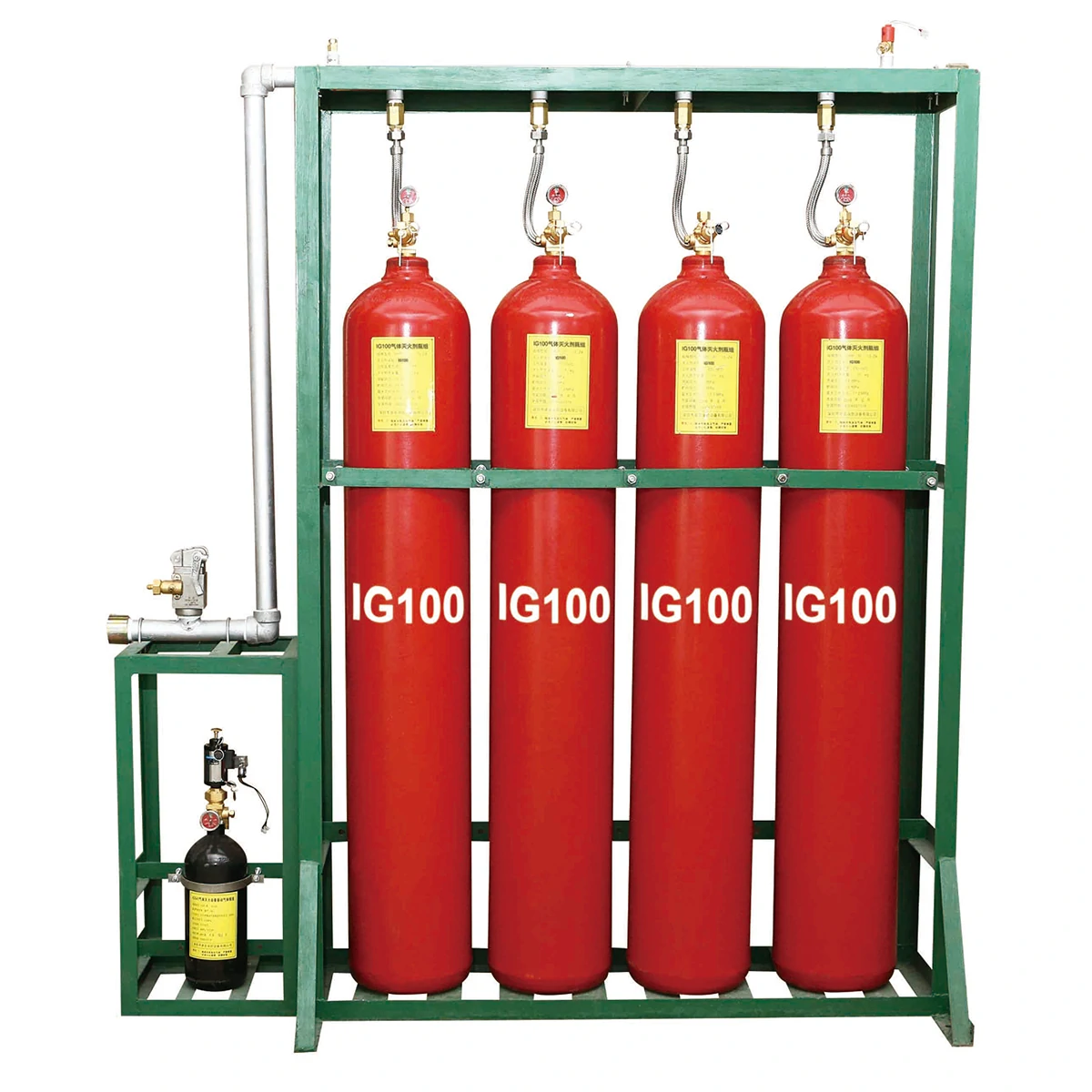
Clean-agent systems use gaseous extinguishing agents that do not leave extinguishing-agent residue after discharge.

Poseidon’s current clean-agent range includes FM-200 and IG-100 systems. Selection depends on the protected enclosure, agent requirements, storage arrangement, occupancy conditions, and project documentation.
co2 fire suppression system

CO₂ Fire Suppression Systems

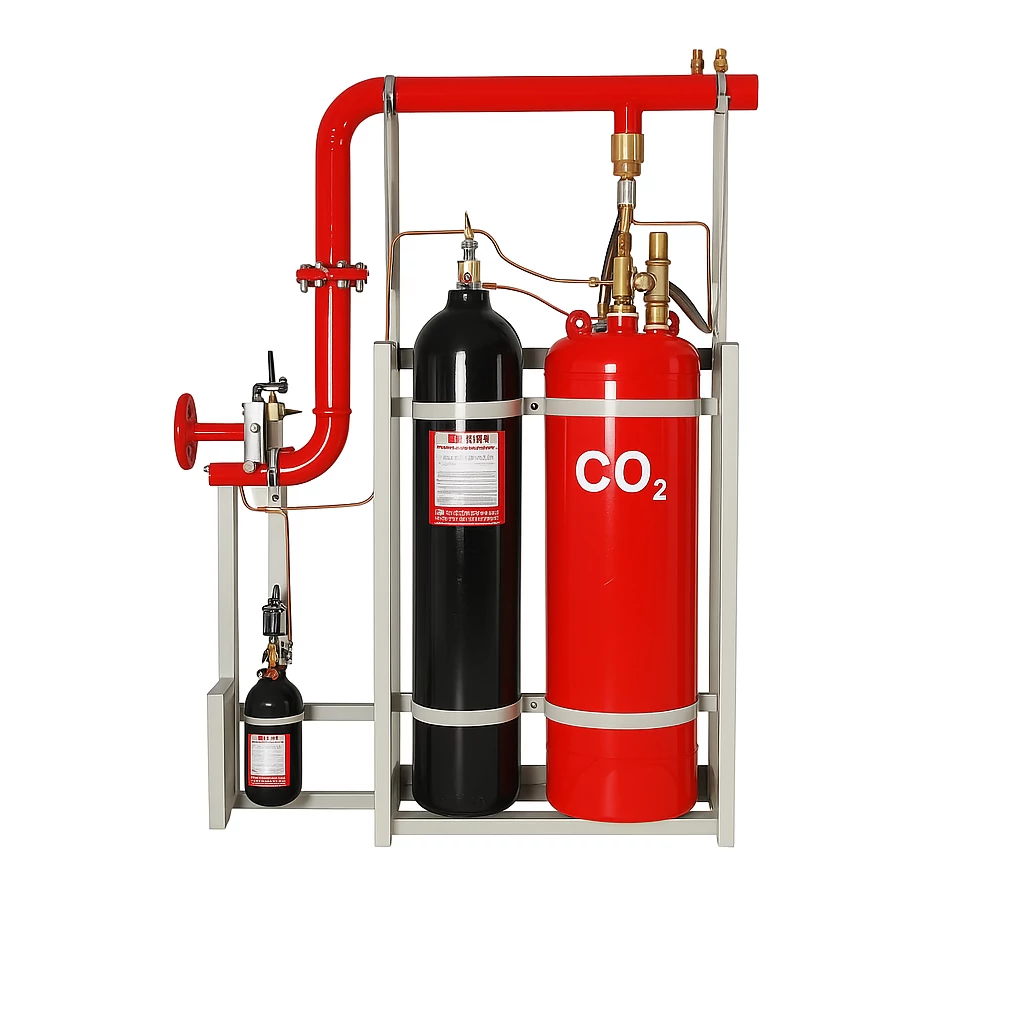
CO₂ systems use carbon dioxide for total-flooding or local-application protection. The agent leaves no extinguishing-agent residue, but fire-suppression concentrations create a serious personnel hazard.

System selection must therefore consider occupancy, evacuation, alarms, discharge controls, enclosure conditions, and the protected hazard.
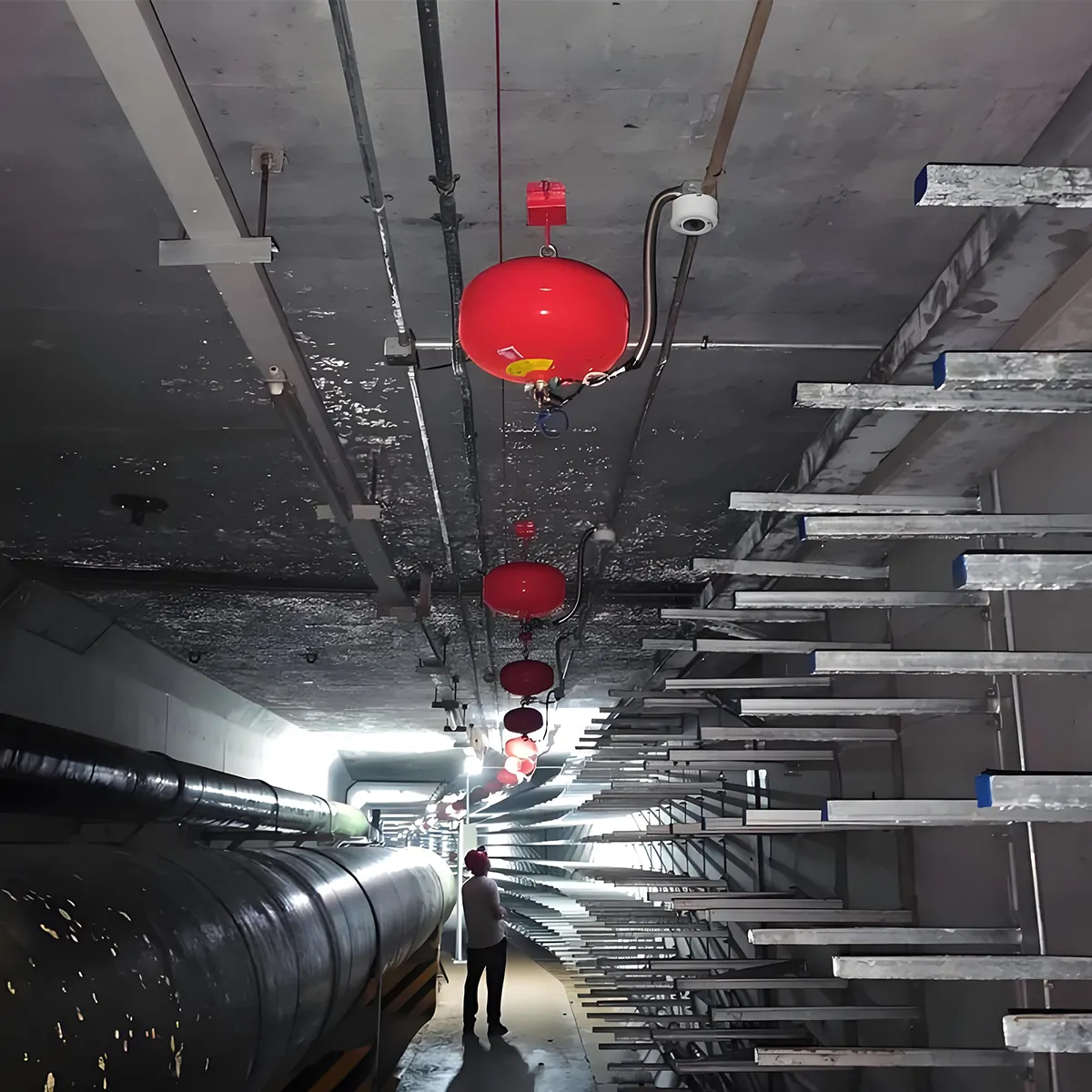
dry chemical fire suppression system

Dry Chemical Fire Suppression System

Dry chemical systems discharge an extinguishing powder for selected flammable-liquid, electrical, process, and equipment hazards.

The agent provides rapid flame suppression but leaves powder residue after discharge. Agent type, protected hazard, discharge arrangement, and cleanup requirements should be considered during selection.

aerosol fire suppression system application

Condensed Aerosol Fire Suppression System

Condensed aerosol systems generate fine particles and gaseous products that interfere with the combustion process.

They can provide compact fixed protection for selected enclosed or equipment-level hazards. Product documentation, enclosure conditions, occupancy, equipment sensitivity, and post-discharge residue should be reviewed for the specific application.

Selecting a Fire Suppression System

The first distinction is the protected hazard.

Clean-agent systems are generally considered where extinguishing-agent residue should be avoided. CO₂ also leaves no extinguishing-agent residue, but its personnel hazard creates a different application boundary.

Dry chemical systems can suit selected process, flammable-liquid, and equipment hazards where powder residue is acceptable. Condensed aerosol systems provide another fixed-system option for selected enclosed hazards, but aerosol particles form part of the discharge.

Before requesting a system configuration, provide the protected hazard, enclosure dimensions or equipment volume, normal occupancy condition, required standard or approval, and installation constraints.

Leave A Message