Home » Dry Chemical Fire Suppression System
Dry Chemical Fire Suppression System
Dry chemical fire suppression systems are used for selected hazards where a fixed powdered-agent system is appropriate.
System suitability depends on the fire class, extinguishing agent, protected equipment or process, discharge arrangement, environmental conditions, and the applicable system requirements.
Dry chemical agents can include sodium-bicarbonate-based and monoammonium-phosphate-based formulations. The applicable fire classes depend on the specific agent and system rating.
Dry chemical is electrically non-conductive when dry, but the discharged powder remains in the protected area.
Dry chemical suppresses flame primarily by interrupting the chemical reactions that sustain combustion. Depending on the agent, additional suppression mechanisms can apply to the fuel surface.
The agent is discharged from the storage unit through the system configuration provided for the protected hazard.
The dry chemical fire suppression system is available in various capacities and storage options, and can be integrated with external pressure systems or pipe networks, making it ideal for industries such as chemical storage, petrochemical loading facilities, automotive paint booths, immersion tanks, mixing rooms, and open spray booths.
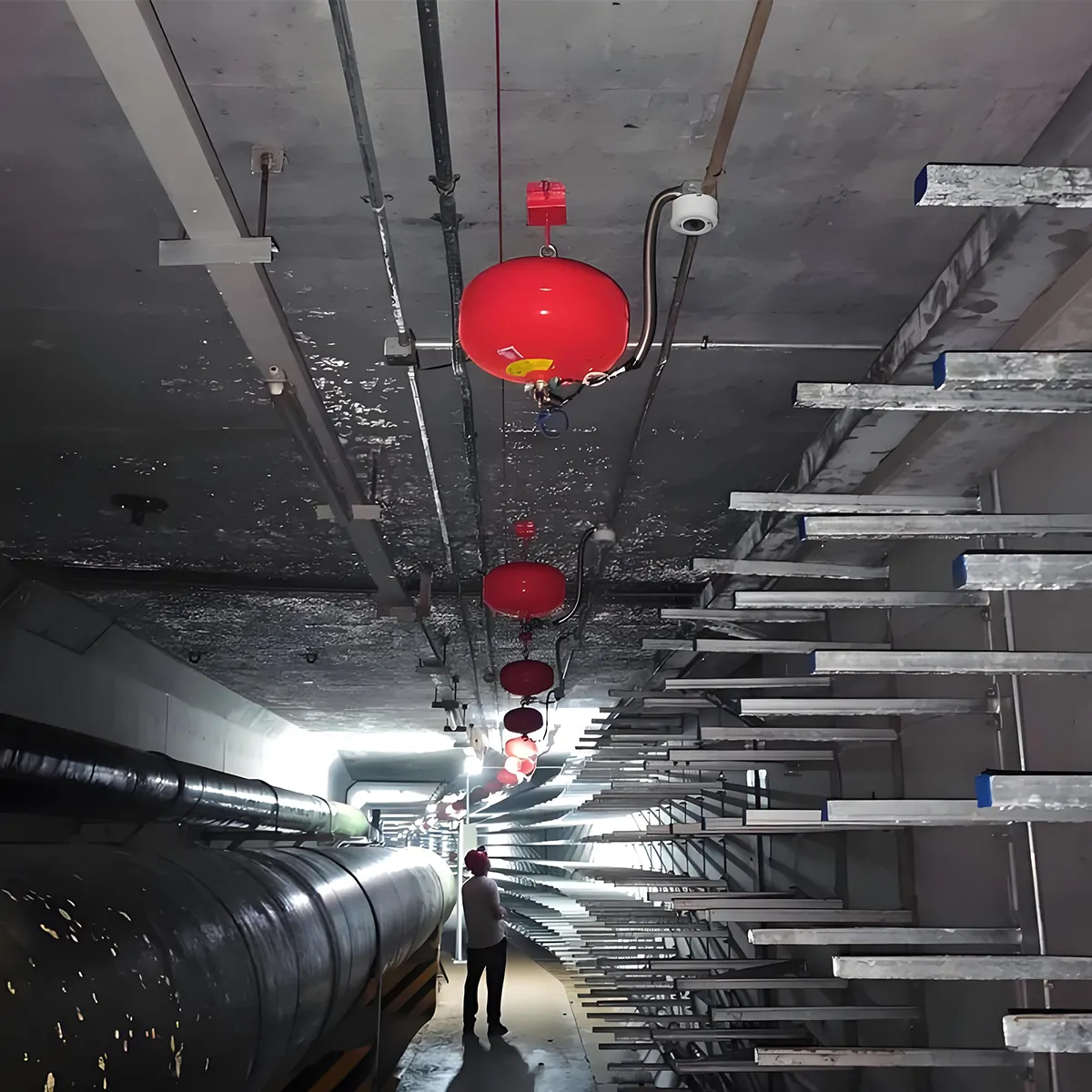

Cabinet-Mounted
- Cabinet-mounted arrangement
- Discharge duration ≤30 s
- 130 L storage option
- ABC agent configuration
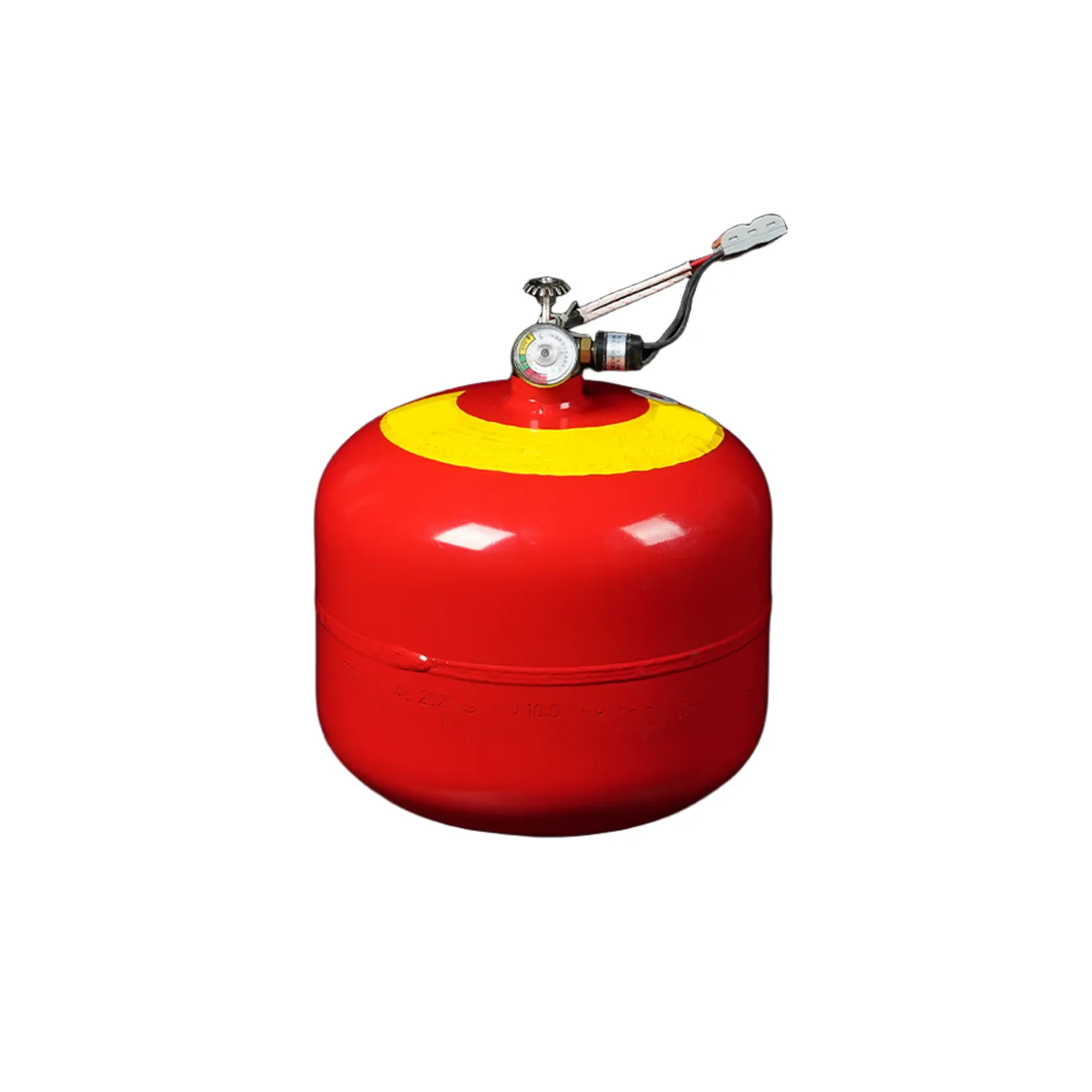
Ceiling-Mounted
- Ceiling-mounted ABC dry chemical unit
- Discharge duration ≤5 s
- Thermal or electrical activation
- View installation and agent requirements

For Wind Turbine
- Cartridge-operated ABC dry chemical
- Installation height 11.5–28 ft
- 5-year service life
- Operating range −40°F to +122°F
Dry Chemical System Selection
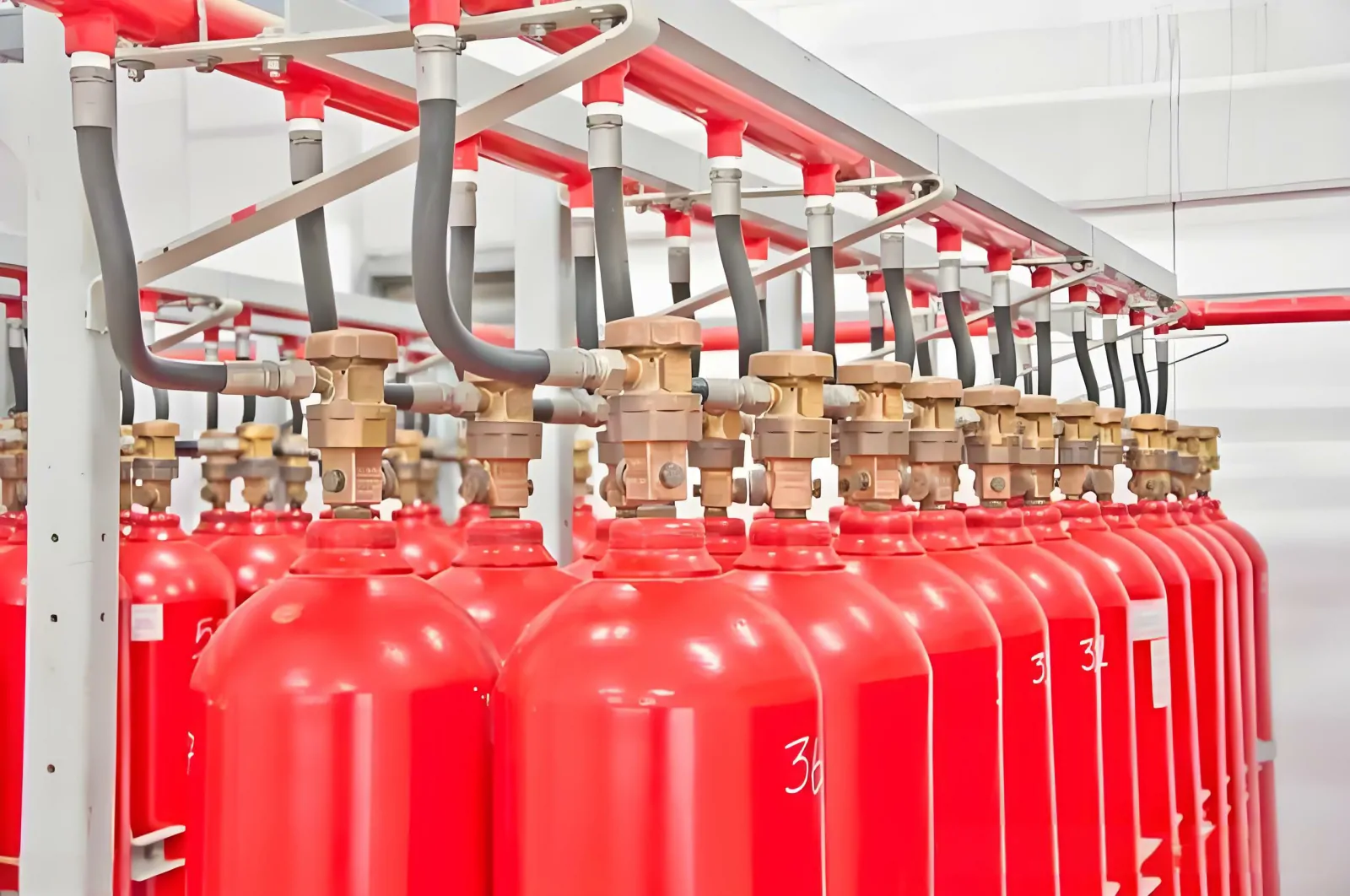
Dry chemical systems are primarily selected where rapid flame suppression is required and agent residue is acceptable.
The choice of agent and discharge configuration depends on the fuel, fire class, equipment geometry, installation environment, and system approval required for the project.
Sodium-bicarbonate-based agents are commonly associated with Class B and C hazards. Multipurpose monoammonium-phosphate agents can also address Class A fuels when the exact agent and system are rated for that use.
- Spray booths and paint booths, where flammable vapors pose significant risks.
- Petrochemical storage and handling facilities, for Class B fires.
- Automotive workshops, immersion tanks, and mixing rooms.
- Chemical Storage and Petrochemical Facilities: For handling flammable liquids in hazardous environments.
- Automotive Industry: For paint booths and mixing rooms, where flammable vapors create fire hazards.
- Industrial Manufacturing: For equipment and machinery with agent suppression systems designed for zone-specific coverage .
- Spray Booths: For facilities where flammable materials are frequently handled.
Configuration
Dry chemical systems can use cabinet-mounted, suspended, or piped arrangements where supported by the selected system design.
Final configuration depends on the protected hazard and installation conditions.
Agent Selection
The extinguishing agent should be selected for the fire class and protected hazard.
Dry chemical leaves powder residue after discharge, so cleanup and equipment contamination should be considered before specifying the system.
System Standard
NFPA 17 addresses dry chemical extinguishing systems.
Any product listing, certification, or component approval required by the project should be verified for the exact system configuration.
Information for Dry Chemical System Enquiries
For an initial enquiry, provide the protected hazard, fire class, enclosure or equipment dimensions, preferred system configuration, activation requirement, destination market, and required standard or approval.
If a specific product listing, agent formulation, discharge time, cylinder size, or environmental requirement is mandatory, include it in the specification for model-level verification.
Compare dry chemical with other fire suppression system types.