

Firefighter pliers are not a single tool but a category of modified pliers carried for gripping, cutting, bending, valve control, and rapid utility work on the fireground. Crews rely on them when a full irons set is too slow to deploy, especially during through-the-lock operations or utility isolation. Departments typically carry Vise-Grips, modified channel-lock pliers, and gas-utility pliers—each capable of cutting 10–12 AWG wire, turning gas or water shutoff valves, and holding small components steady inside tight, smoke-filled spaces.
Firefighter pliers earn their place on every turnout coat because they provide fast, one-handed control for lock manipulation, utility tasks, and stabilization work that supports forcible entry, line advancement, and rescue operations.
Firefighter Pliers
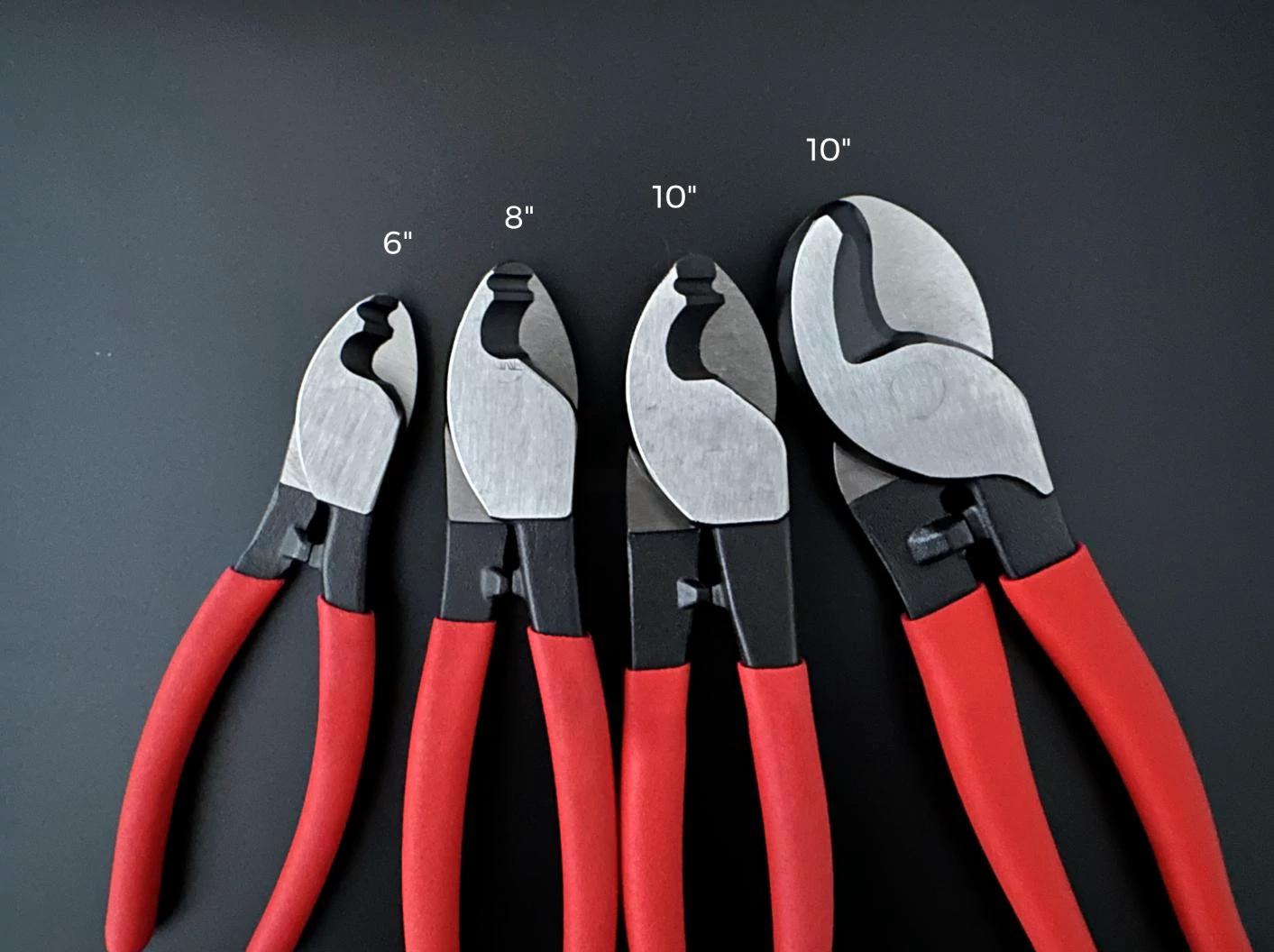
Firefighter pliers are a category of modified pliers used for gripping, cutting, twisting, valve control, and fast utility work when irons are too slow to deploy. Common types include 7-inch and 10-inch Vise-Grips for clamping bolts, nuts, and stubborn hardware; modified channel-lock pliers designed for through-the-lock, non-destructive entry; and wire pliers that cut 10–12 AWG copper or steel while also twisting or removing alarm cables and lightweight obstructions.
Key features include serrated jaws, reinforced pivots, and glove-friendly handles sized to ride in turnout-coat pockets as personal tools carried individually by firefighters. On the fireground, these pliers turn gas or water valves, pull nails, free jammed door hardware, stabilize small components, and support rapid equipment adjustments. Their value lies in versatility—one compact tool family enabling problem-solving across forcible entry, utility control, and interior operations.
Types of Firefighter Pliers
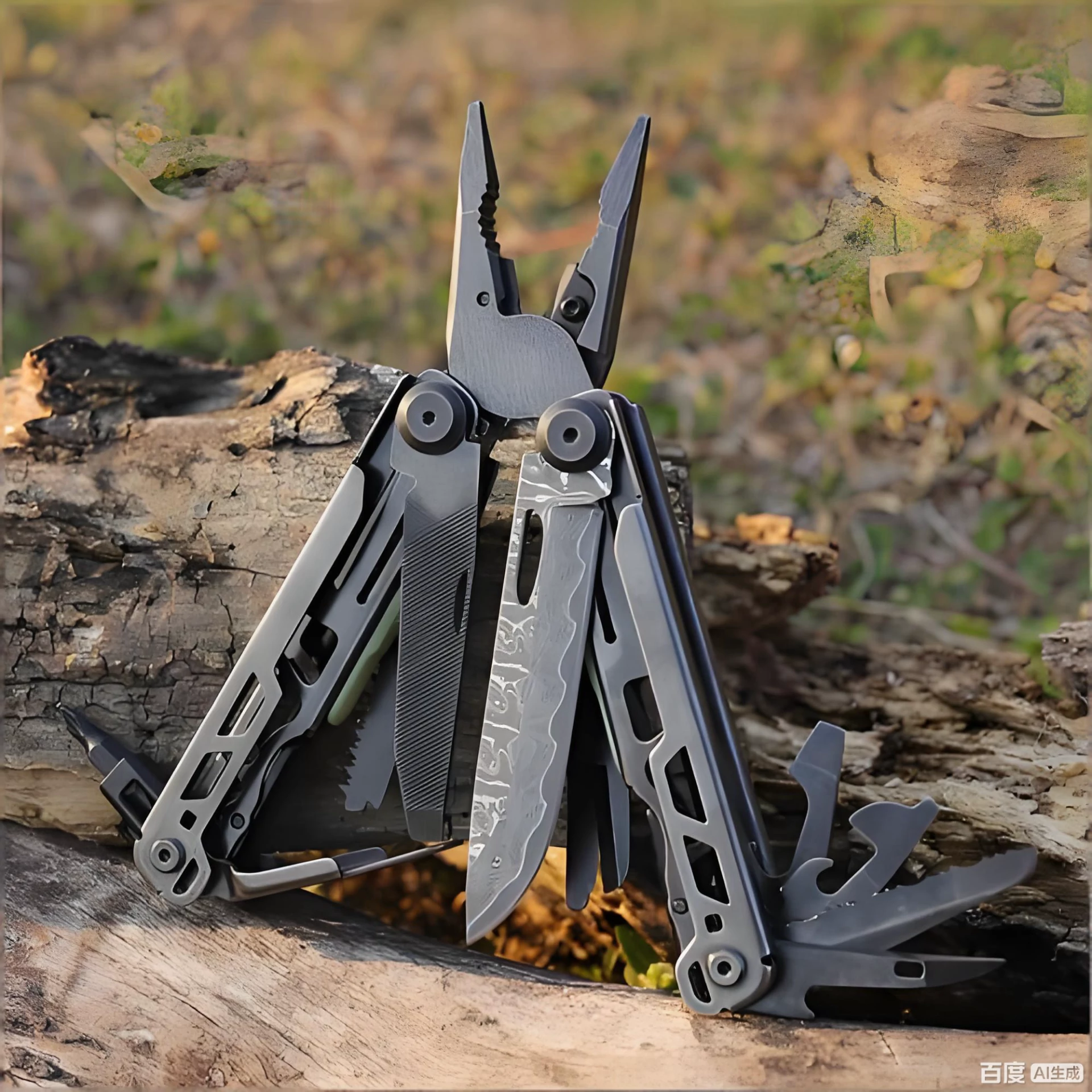
Firefighter pliers fall into several tool families, each supporting a specific fireground task under NFPA 1971 structural conditions. Crews carry them as personal tools for rapid, one-handed control of locks, wiring, utilities, and hardware when irons are too slow to deploy.
1. Vise-Grips (7-inch & 10-inch): Locking pliers used to clamp nuts, bolts, brackets, and stubborn metal components. The 10-inch model provides greater leverage for door hardware and gate fittings, while the 7-inch version fits easily in turnout-coat pockets for personal carry and quick stabilization during through-the-lock work.
2. Modified Channel-Lock Pliers (Through-the-Lock Tools): Slip-joint or channel-lock pliers reshaped to manipulate lock cylinders externally, enabling non-destructive entry on residential and commercial doors.
3. Wire Pliers / Cable Cutters: Designed to cut 10–12 AWG copper or steel, twist alarm wires, clear lightweight obstructions, and remove communication cables to prevent snag hazards during line advancement.
4. Utility Pliers (Gas/Water Meter Pliers): Used to turn gas and water shutoff valves, secure utilities during odor investigations, and handle stiff or corroded meter hardware.
5. Needle-Nose / Long-Nose Rescue Pliers: Used for gripping small parts, pulling nails or pins, manipulating window mechanisms, and working inside tight spaces where standard jaws cannot reach.
Firefighter Cutters vs. Pliers
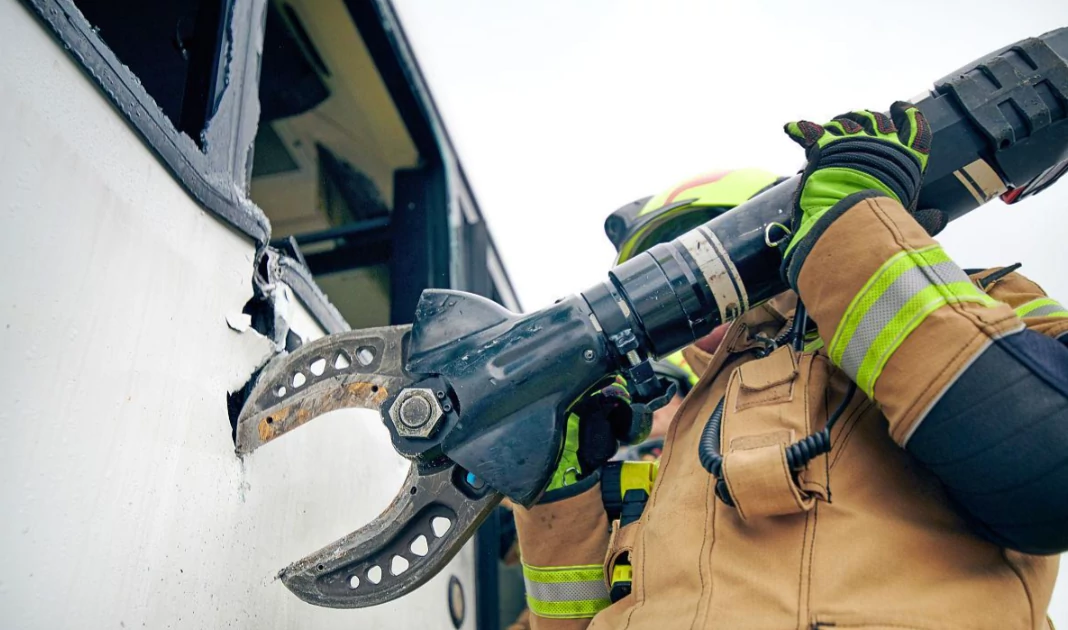
Firefighter cutters and firefighter pliers fill different roles, even when they ride in the same turnout pocket. Cutters are built for high-leverage severing of wire, cable, or light metal so the hazard disappears. Pliers are built for control—gripping, twisting, and positioning hardware where precision matters more than brute force.
On the fireground, cutters such as cable cutters, compact bolt cutters, or EMS shears can sever 6–10 AWG cable, flex duct hangers, or small hasps during overhaul when crews need fast removal of energized or snag-prone lines. Their jaws maximize shear force but provide little ability to hold or steer components after the cut.
Pliers act as a forcible-entry adjunct and utility-control tool: rotating lock cylinders in through-the-lock operations, turning gas or water valves, clamping bolts, twisting alarm wires, and freeing jammed door hardware inside NFPA 1971 structural environments. In practical terms, cutters eliminate the obstacle; pliers manipulate it.
Carrying and Configuring
Firefighter pliers are carried on the firefighter, not left on the rig, because they solve small, high-frequency problems faster than irons or full tool sets. Most engines expect each interior firefighter to carry at least one pair in their turnout coat or pants so the tool is reachable with a gloved hand during the first 30–60 seconds on scene. Placement follows NFPA 1971 pocket layout: radio or tool pockets on the coat, or the right thigh cargo pocket on pants, where pliers won’t create pressure points or snag SCBA straps.
A common setup is one 7–10 in. locking plier for gripping bolts, bending light metal, pulling nails, and stabilizing small components, plus a modified channel-lock or slip-joint plier for through-the-lock, non-destructive lock work and meter shutoffs. Some firefighters add compact wire cutters on a short lanyard for twisting or severing 10–12 AWG conductors without returning to the apparatus.
Fireground Techniques for Using
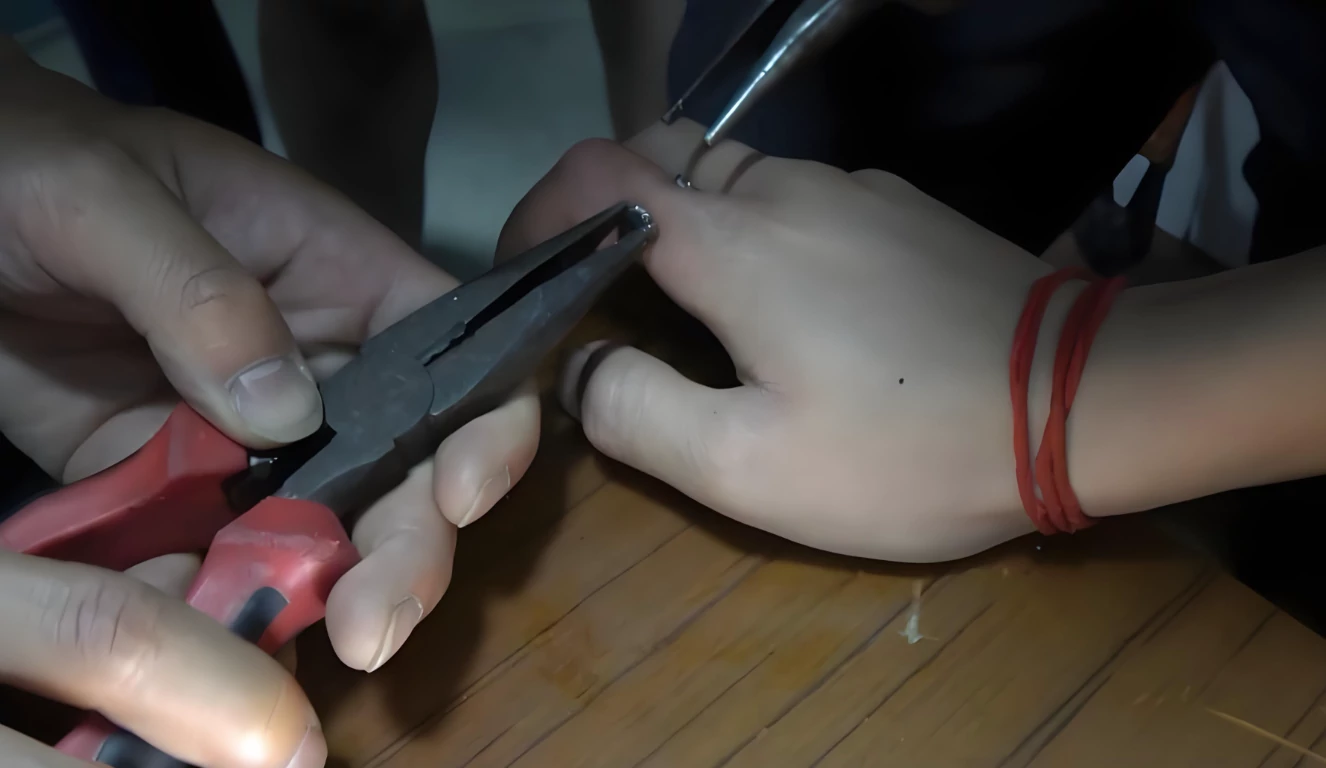
Step 1 — Index the Tool by Feel
With gloves on, find the hinge and jaw orientation before you remove the pliers from your turnout pocket. Establish a full-hand grip; never pinch with fingertips. This matters in tight spaces such as a utility closet or under a sink.
Step 2 — Establish a Positive Bite
Seat the jaws squarely on the target—bolt head, screw, lock cylinder, or conductor. Push inward first, then squeeze to set the bite so it cannot skate on wet, sooty hardware.
Step 3 — Lock, Test, Then Commit
For locking pliers, close until they click. Give a short test tug. If they slip or shift, release and reset rather than forcing a bad grip.
Step 4 — Apply Controlled Force
Use short, stacked-body motions: quarter-turns for through-the-lock work, straight pulls for nails or screws, and two twists before cutting 10–12 AWG conductors while keeping the wire tail under control.
Step 5 — Stabilize and Secure
Clamp loose escutcheons, meter parts, or small metal components to stop movement during overhaul or utility shutdowns, then confirm they stay stable while you move past.
Brand Tiers and Training
Firefighter pliers are evaluated by certification history, metallurgy, and field durability. T0 tools carry decades of proven reliability; T1 tools deliver certified quality with lower visibility; T2 OEM tools—such as Poseidon—match functional performance at reduced cost but lack legacy certifications and dealer networks. Departments select tiers based on NFPA equipment expectations, training requirements, and budget constraints.
T0 Tier: Premium Brands with Proven Endurance
Knipex 02 01 250 High-Leverage Lineman’s Pliers — Exceptional jaw hardness for heavy twisting, bending, and conductor control.
Training focus: leverage management, two-handed twisting, and controlled cuts on 10–12 AWG.
Channellock 420 Tongue-and-Groove — Standard for TTL, valve control, and stubborn hardware.
Training focus: jaw re-indexing every quarter-turn, non-destructive lock rotation.
Vise-Grip IRWIN 10CR — Benchmark for stable clamping and bolt extraction.
Training focus: “lock-test-pull” cycle and resetting after failed bites.
T1 Tier: Fully Capable Mid-Tier Tools
Milwaukee 48-22-6502 — Strong cutting edges for utility tasks.
Training focus: gloved control, staggered cuts, and conductor immobilization.
Crescent CLP10CV — Reliable multipurpose locking pliers.
Training focus: nail/screw extraction without lateral torque.
Southwire CFPLIERS — Designed for meter room operations.
Training focus: precision gripping under low visibility.
T2 Tier: OEM Performance with Cost Advantages
Poseidon FP-10 Locking Pliers: Carbon-steel jaws, reliable bite retention in wet or sooty conditions, and balanced spring tension for utility control and overhaul work.
Training focus: re-establishing grip after failed clamp cycles and precise positioning on valves or escutcheon plates with gloved hands.
NorthForge Industrial Tooling — Model NF-12:An OEM producer supplying several European and North American mid-market labels. Offers stable forging, uniform Rockwell hardness across batches, and accurate jaw tracking under torsional load.
Training focus: torque discipline when backing out stubborn hardware and efficient twisting operations during wire management.
Baltic Precision Manufacturing — Model BP-220: A high-volume OEM facility known for tight dimensional tolerances, smooth pivot joints, and predictable heat-treat profiles. Performs well in TTL support and utility operations.
Training focus: controlled jaw placement on lock cylinders during through-the-lock simulations and rapid re-indexing in low visibility.
Firefighter pliers are essential firefighter personal tools used for gripping, cutting, twisting, and operating locks and valves during suppression and utility work. Their performance depends on selecting the right tiered model—T0 for certified frontline use, T1 for balanced budgets, and T2 for OEM or training deployments. To equip your department or request tailored recommendations, contact us for specifications, pricing, and OEM options.