

A Class A fire extinguisher is the correct fire extinguisher for wood, paper, fabric, and other ordinary combustibles. This includes paper wood products such as cardboard, as well as cloth furnishings and natural fibers, making it the appropriate fire extinguisher for clothes and similar materials. It is not intended for class B flammable liquids, energized electrical equipment, or combustible metals, and using it in those scenarios introduces serious secondary hazards.
Class A fires are fuel-based rather than flame-based, which is where misuse commonly occurs across different types of fires. A frequent error is assuming visible flames can be attacked with any available fire extinguisher, regardless of fuel class. Applying water-based agents to grease fires or energized electrical equipment can spread fire, cause flash ignition, or create electrical shock risk.
Under NFPA 10, approved options for wood-, paper-, and fabric-fueled fires include water, water mist, foam, and dry chemical agents—specifically multipurpose ABC units carrying an A rating among recognized types of fire extinguishers. A 2A rating indicates effectiveness equivalent to 2.5 gallons of water. Correct extinguisher selection controls heat at the fuel surface; incorrect selection delays suppression and increases risk.
What Is a Class A Fire?
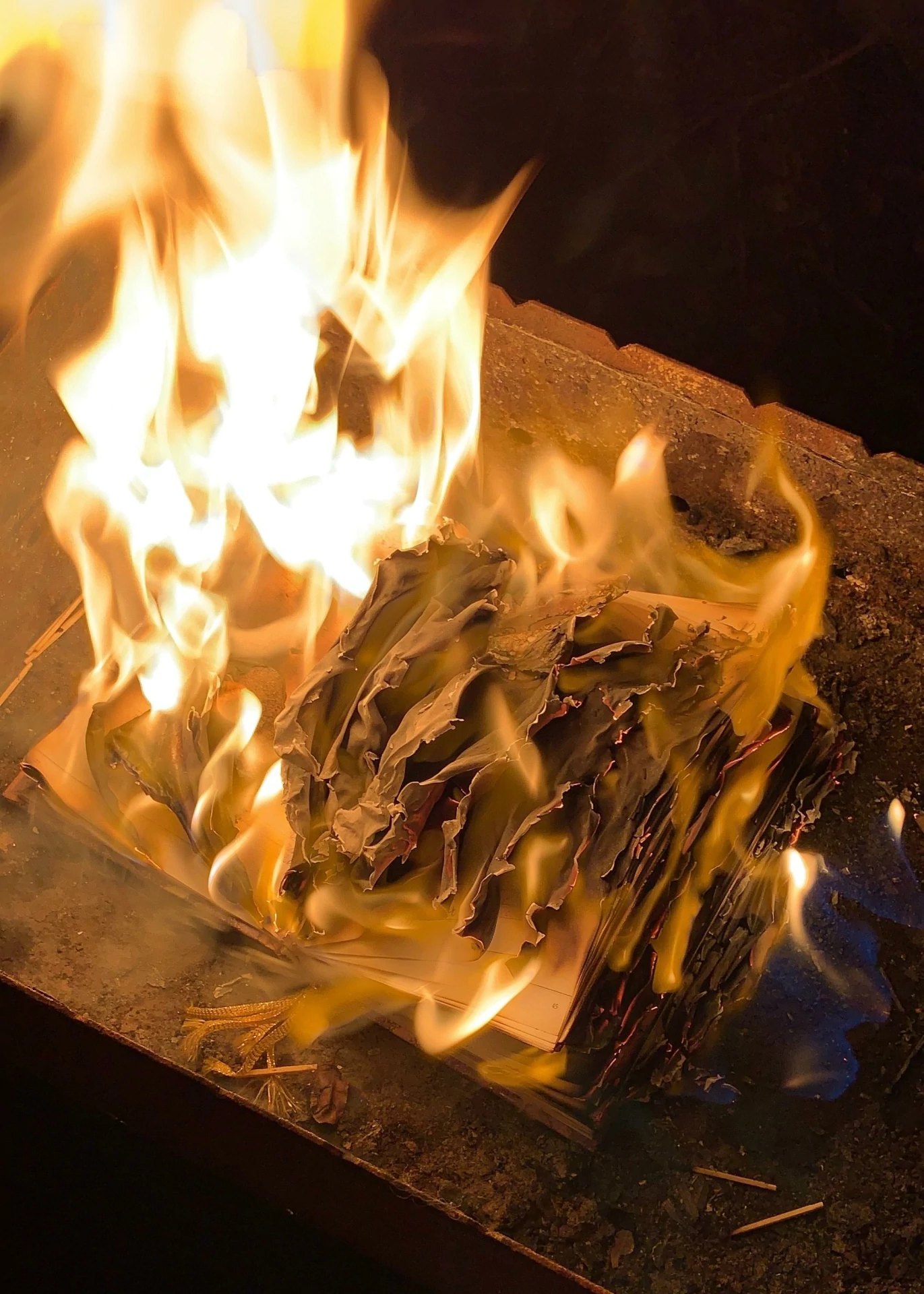
Class A fires are fires involving ordinary solid combustibles such as paper wood materials, cardboard, cloth, and other natural fiber products. They are defined by the fuel type, not flame appearance, and they do not include class B flammable liquids, gases, energized electrical equipment, or combustible metals. This boundary determines which suppression methods work and which create added hazards.
Under NFPA 10, Class A fires burn solid fuels that produce glowing embers and leave ash, which distinguishes them from other types of fires. They are controlled by cooling the fuel surface below its ignition temperature, using water, water mist, foam, or dry chemical agents—specifically multipurpose ABC units with an A rating—among recognized types of fire extinguishers. Carbon dioxide fire extinguishers are not effective on Class A fuel beds because they do not provide sustained cooling.
Class A fires are the most common fire type in residences, offices, and warehouses, where solid contents dominate and the correct extinguisher for wood and fire extinguisher for clothes directly determines suppression success.
How Class A Fire Extinguishers Break the Fire Triangle
Class A fire extinguishers are the appropriate fire extinguisher choice for class A fires, including paper wood fuels such as wood, paper, and fabric. In practical terms, they function as an extinguisher for wood and a fire extinguisher for clothes by breaking the fire triangle primarily through heat removal, while also limiting oxygen at the fuel surface and suppressing the chemical reaction that sustains combustion. They are not intended for class B flammable liquids or energized electrical equipment.
Under NFPA 10, approved agents for Class A scenarios align with specific fire-triangle elements across recognized types of fire extinguishers. Water and water mist remove heat through high absorption. Foam maintains cooling while forming a surface layer that restricts oxygen contact. Dry chemical agents in multipurpose ABC units contribute by inhibiting the chemical reaction at the surface, but they cannot replace sustained cooling in deep-seated fuels. Carbon dioxide fire extinguishers are excluded from Class A applications because they displace oxygen without cooling the fuel bed.
This explicit mapping reflects how class A fires behave across different types of fires, where glowing embers and ash indicate retained heat. If cooling is insufficient, the fire triangle remains intact and re-ignition risk persists during knockdown and overhaul.
How Class A Fire Extinguishers Break the Fire Triangle
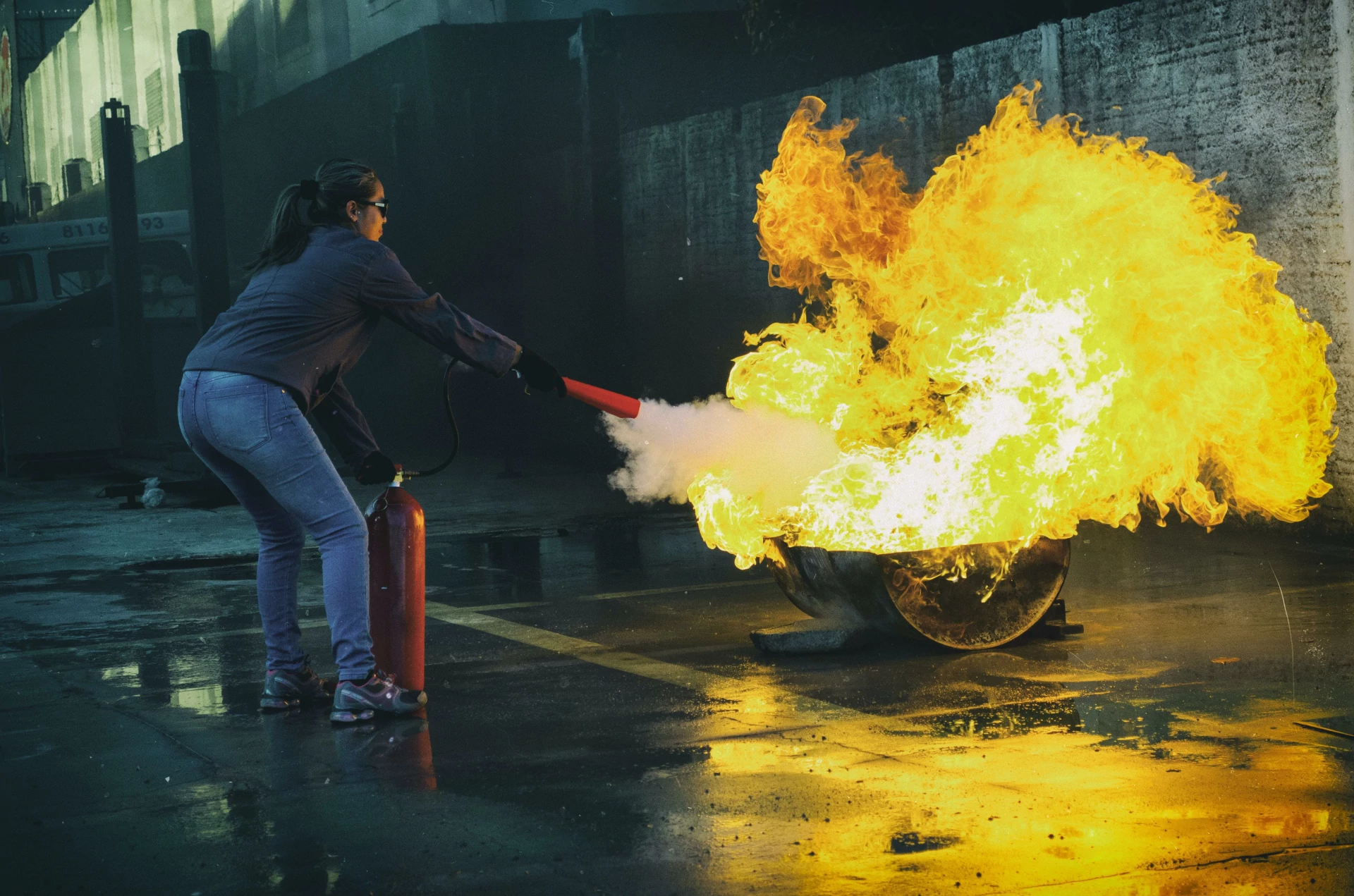
Fires are classified by the type of fuel involved, and each fire class requires a specific fire extinguisher. Under NFPA 10, extinguisher selection is not discretionary—it is based on how the agent stops combustion and what risks it creates if misapplied. Using the wrong extinguisher for a given fire class is a predictable cause of fire spread, equipment damage, and firefighter injury.
Class A fires involve paper, wood, cloth, rubber, and similar ordinary combustibles. Approved options include water, foam, and ABC dry chemical extinguishers carrying an A rating. These are the correct extinguisher for wood and fire extinguisher for clothes, as they cool the fuel surface and prevent re-ignition.
Class B flammable liquids, such as gasoline or solvents, require foam, carbon dioxide, or dry chemical agents. Water-based extinguishers must not be used due to splash and vapor spread.
Class C fires involve energized electrical equipment and require non-conductive agents such as carbon dioxide or dry chemical. Any water-based fire extinguisher cannot be used until power is confirmed off.
Class D fires involve combustible metals and require specialized dry powder extinguishers only.
Class K fires involve cooking oils and fats and require wet chemical extinguishers designed for saponification.
These fire class–extinguisher pairings define how fires are safely controlled on scene. When those boundaries are ignored, suppression efforts slow, hazards increase, and the risk to personnel rises immediately.
Proper Suppression of Class A Fires
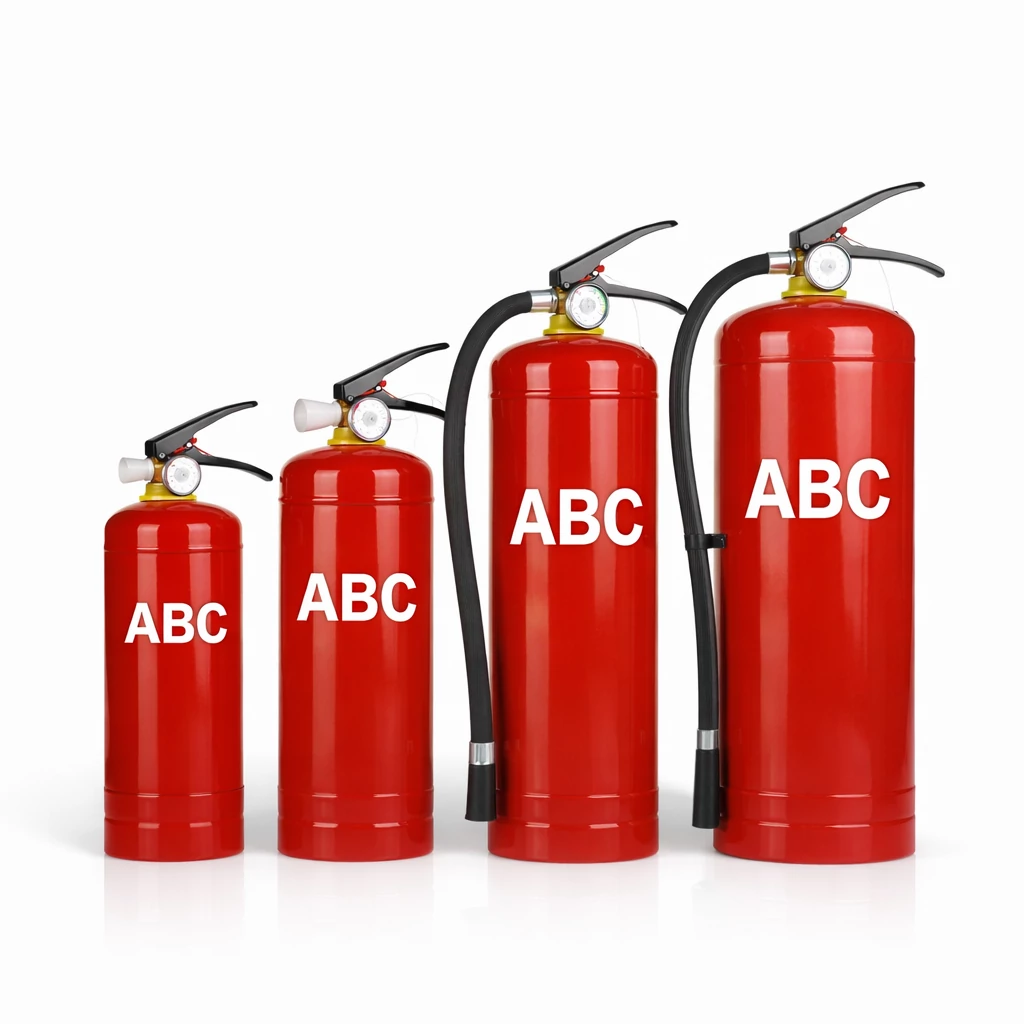
Class A fires are extinguished by cooling the fuel, not by chasing visible flames. When paper wood, fabric, or similar ordinary combustibles are burning, heat is stored inside the material, and the fire will continue unless that heat is removed. This is why water-based agents are the correct extinguisher for wood and fire extinguisher for clothes, and why stopping too early leads to re-ignition.
Under NFPA 10, approved types of fire extinguishers for class A fires include water, water mist, foam, and ABC dry chemical extinguishers carrying an A rating. Water works best because it absorbs heat and penetrates porous fuels. Foam supports cooling while limiting oxygen at the surface. Dry chemical can knock down flame quickly, but it does not eliminate deep-seated heat and must be followed by cooling during overhaul.
Practical Control Guidance
When using a fire extinguisher, the PASS method applies—pull the pin, aim at the fuel base, squeeze, and sweep—but flame disappearance is not the end point. Application must continue until embers, steam, and surface heat are gone. Small surface fires may be smothered with a fire blanket or soil, but these methods are limited and do not replace cooling.
If a single extinguisher does not achieve control, the correct action is disengagement and evacuation, not continued suppression.
Class A fires involving paper wood and fabric are controlled only by removing heat from the fuel. Correct fire extinguisher selection, application to the fuel base, and sustained cooling through overhaul determine whether the fire is fully extinguished; misclassification or early disengagement increases re-ignition and operational failure risk. Poseidon is a professional fire protection equipment manufacturer providing NFPA-compliant types of fire extinguishers, including production, OEM/private-label customization, and application-specific solutions aligned with real fuel hazards and operational requirements.