

A fire rake tool is a wildland firefighting hand tool used to cut brush, scrape surface fuels, and build fire line down to mineral soil so a running grass or forest fire loses available fuel. It is intended only for outdoor wildfire and forestry work—handline construction, mop-up, and patrol—not interior structural firefighting. Most fire rakes feature a wooden or fiberglass handle, often an ash handle, measuring approximately 4–5 ft (1.2–1.5 m) to provide reach and leverage during sustained line construction.
The steel head uses triangular shaped tines designed to bite into light brush and duff, pull combustible material off the fire edge, and expose non-combustible soil that forms an effective barrier. In wildland operations, the forest rake occupies the same tool category as the McLeod, though it emphasizes aggressive raking and cutting rather than hoeing. This fire rake tool is commonly issued to forestry personnel, hotshot crews, and hand crews working under agencies such as the Forest Service, especially in steep or brush-heavy terrain where powered equipment cannot operate reliably.
Fire Rake
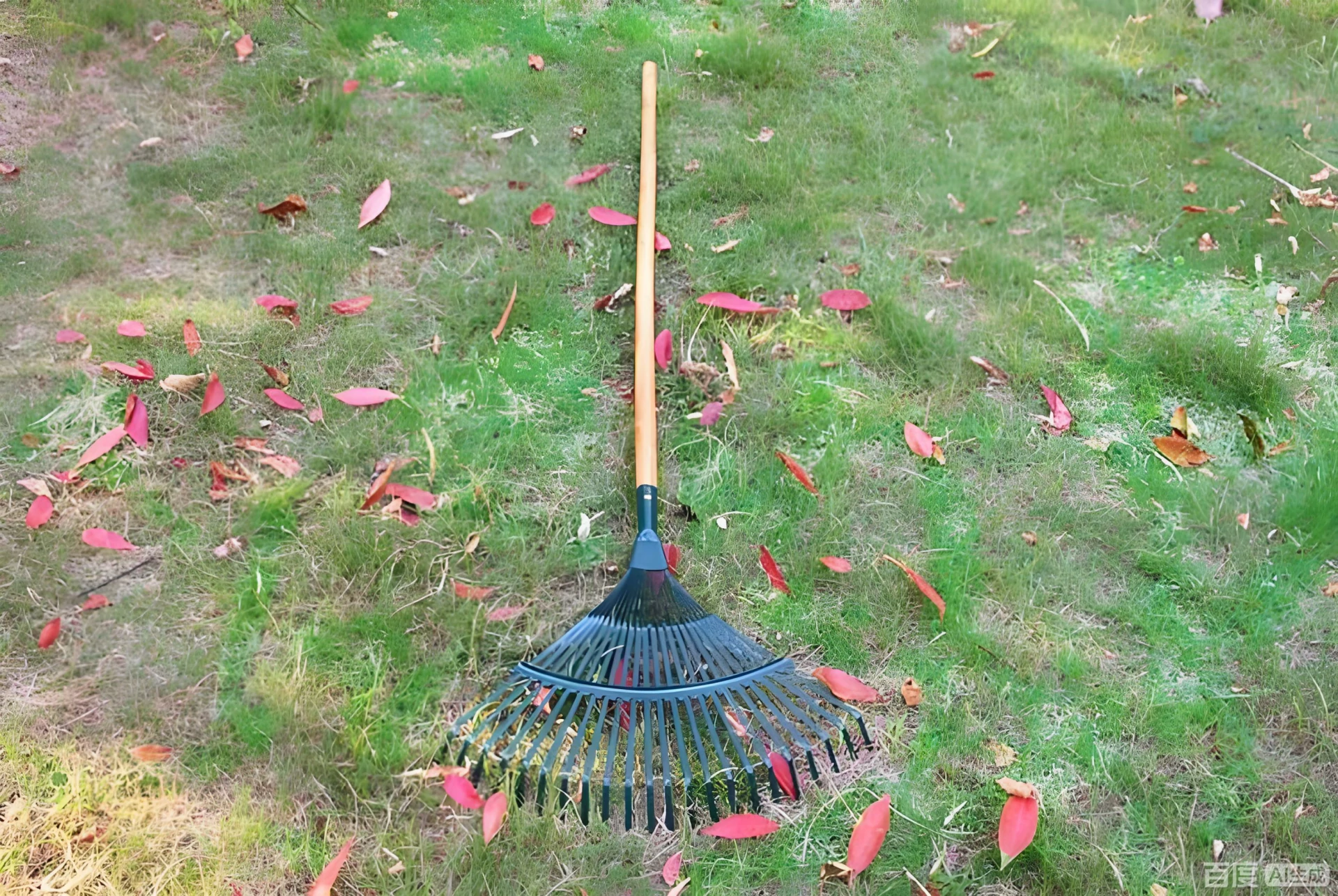
A fire rake tool is a specialized forest rake used in forest fire and wildland suppression to construct and maintain a fire line by removing surface fuels down to mineral soil. Designed for manual operations by forestry personnel and wildland hand crews, the tool combines a long wooden or fiberglass handle—commonly an ash handle—with a heavy steel head fitted with sharpened teeth. The head is typically triangular shaped or V-profiled, allowing the rake to cut brush, scrape organic material, and dig efficiently in dense vegetation.
Most fire rakes feature four to six hardened steel teeth mounted on an angle-iron frame, enabling aggressive raking, chopping, and scraping in a single motion. Standard handle lengths range from 52 to 60 inches, providing reach and leverage while reducing fatigue during extended line construction. Compared with a McLeod tool, a fire rake generally has deeper, more penetrating teeth, making it especially effective in brush-heavy terrain.
Because of its durability and simplicity, the fire rake remains a core hand tool specified by the Forest Service and widely produced by manufacturers such as the Council Tool Company for frontline wildland operations.
What Is a Fire Rake Used For?
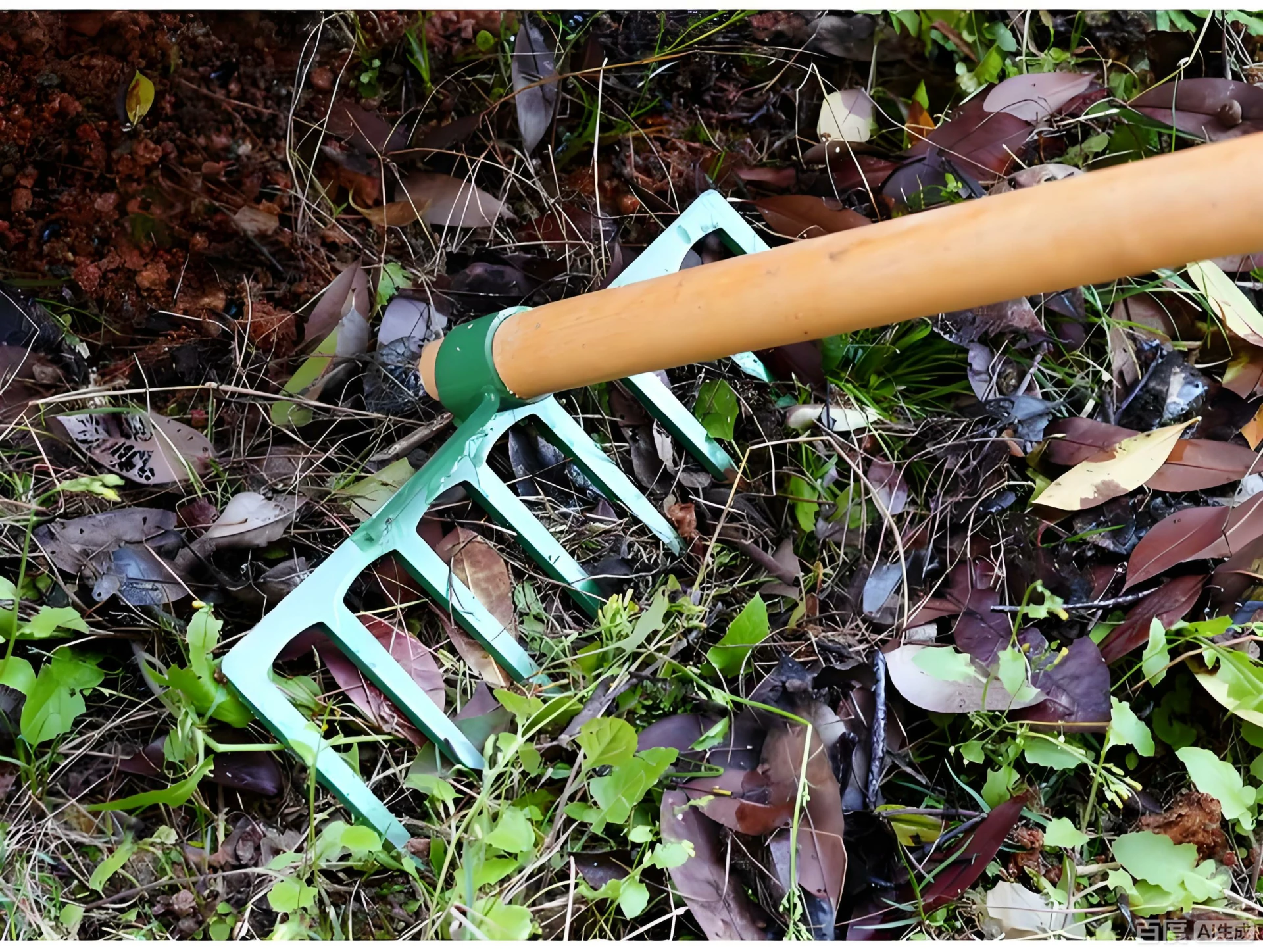
A fire rake tool is used to build and reinforce a fire line by stripping surface fuels down to non-combustible mineral soil—the ultimate objective of an effective firebreak in a forest fire environment. It is intended for wildland firefighting and prescribed burning, where crews must work long distances on foot and maintain precise control in grass, brush, and timber litter. For forestry personnel, this tool remains essential because it delivers reliable fuel removal where saws or heavy equipment cannot finish the line.
On the line, firefighters use the forest rake to pull off leaves, pine needles, grass, and mulch, then cut through light brush, roots, and vines that can bridge across the break. The goal is a continuous strip of exposed mineral soil with no remaining surface fuel. During mop-up, the tool flips smoldering material, exposes buried embers, and drags hot debris back into the black to prevent rekindles. Its rigid, triangular shaped steel head and long wooden or fiberglass handle provide enough leverage to roll or drag small burning logs away from the fire edge.
It is standard equipment for Forest Service hand crews and hotshot teams, and it is also widely used for defensible-space work and trail maintenance around fire-prone properties. Alongside tools produced by manufacturers such as Council Tool Company, and used with the Pulaski and McLeod, the fire rake remains a cornerstone of manual wildland fire control.
Materials and Construction
A fire rake tool, often referred to as a forest rake or Council Rake after the Council Tool Company, is manufactured to meet USDA Forest Service Specification 5100-284C, the procurement and acceptance benchmark for hand tools used on federal fire line operations. This construction standard ensures the tool can withstand repeated ground contact, heat exposure, and leverage forces encountered during forest fire suppression and mop-up by forestry personnel.
Rake Head:
Teeth: Four to six hardened, triangular shaped tool steel teeth, factory-sharpened to cut roots, vines, and dense brush while raking compacted surface fuels down to mineral soil.
Frame: Teeth are riveted to an angled alloy steel or angle-iron cross member, providing rigidity when digging, raking, or dragging hot material away from the fire line.
Finish: The steel head typically uses a red enamel, rust-deterrent coating to improve corrosion resistance and visibility in ash-covered terrain.
Handle:
Material: A wooden or fiberglass handle, most commonly an ash handle for shock absorption, or fiberglass for moisture resistance and electrical non-conductivity.
Length: Standard handle lengths range from 52 to 60 inches, offering leverage while helping crews maintain upright posture during extended scraping.
Attachment and Serviceability:
Connection: A tapered eye, tamp-down style socket, usually screw-secured.
Maintenance: The design allows field replacement of broken handles, extending service life without retiring the steel head.
Using and Cleaning
A fire rake tool only performs as intended when crews apply consistent technique and maintain it after every operational period. The objective on a fire line is straightforward: remove surface fuels created by a forest fire and scrape down to non-combustible mineral soil, then keep that edge clean as conditions evolve. These practices reflect standard hand-tool operations used by the Forest Service and other forestry personnel during wildfires and prescribed burns.
Proper Field Use:
- Maintain at least 10 ft (3 m) spacing between workers when swinging a forest rake.
- Use a balanced stance and steady rhythm: pull loose debris side-to-side, then shift to a scraping or hoe motion to cut small roots and vines.
- Adjust fire line width based on slope and fuel loading; steeper terrain and heavier brush require wider clearance.
- During mop-up, rake heat and embers into the black and use the rake head to roll burning logs away from unburned fuel.
- Carry the tool at its balance point with the head down and cutting edge away; always pass it handle-first.
Cleaning and Maintenance
- After each shift, remove ash, dirt, and sap; mild detergent or rubbing alcohol helps break down resin buildup.
- Dry thoroughly, sharpen the triangular shaped teeth with a file or stone, and apply light oil to metal surfaces.
- For tools with an ash handle or wooden or fiberglass handle, apply linseed oil periodically, inspect rivets and the eye connection, and store the fire rake head-up in a dry area.
Wildland firefighting depends on simple tools executed with precision, and the fire rake remains one of the most effective hand tools for building and maintaining a clean fire line. From cutting surface fuels and scraping down to mineral soil, to mop-up operations and rolling burning material back into the black, its value lies in controlled technique, proper spacing, and consistent maintenance. When constructed to recognized U.S. Forest Service specifications and cared for correctly, a fire rake delivers reliable performance across wildfires, prescribed burns, and long-duration hand crew operations.
At Poseidon, we work closely with agencies, distributors, and OEM partners to supply wildland firefighting hand tools, including fire rakes, McLeod tools, Pulaskis, and related wildland firefighter gear. We support private-label manufacturing, bulk procurement, and specification-driven production for professional forestry personnel and fire services. If you are sourcing compliant wildland tools or developing an OEM program, contact us to discuss technical requirements, materials, and production options tailored to your operational needs.