

A wet chemical fire extinguisher is designed primarily for Class K fires involving high-temperature cooking oils and fats in commercial kitchens. It is not a general-purpose fire extinguisher and is not a substitute for water, foam, or dry chemical units outside its defined role, despite common assumptions to the contrary. The wet chemical fire extinguisher class is limited to deep fryers, griddles, and similar cooking appliances where oil temperatures routinely exceed the safe suppression range of water-based agents.
Under NFPA 10, a wet chemical fire extinguisher uses as its extinguishing agent a potassium-based solution that cools the fuel below its auto-ignition temperature and triggers saponification, forming a stable soap layer that seals the surface and prevents re-ignition. While wet chemical extinguishers may technically suppress small Class A fires involving materials such as wood or paper, they should not be selected for ordinary combustibles when dedicated Class A extinguishers are available. Using a wet chemical fire extinguisher outside kitchen fire scenarios introduces delayed knockdown, unnecessary residue, and operational inefficiency rather than added safety.
What Is a Wet Chemical Fire Extinguisher?
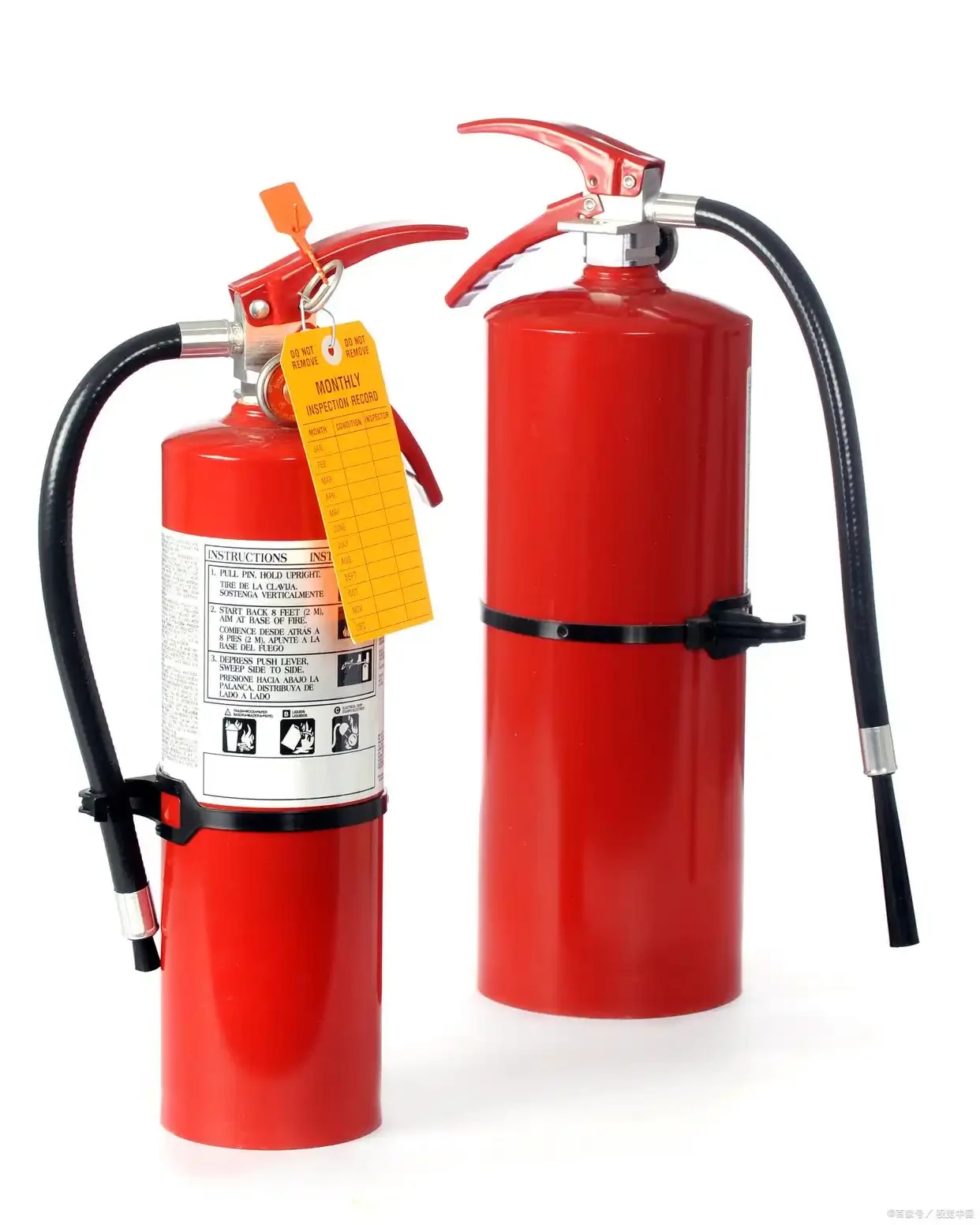
A wet chemical fire extinguisher is a Class K extinguisher built to control high-temperature cooking oil and grease fires in commercial kitchens. It is not a general-purpose unit and should not be treated as a substitute for ABC dry chemical or CO₂ extinguishers in mixed-hazard areas. Under NFPA 10, its primary deployment is Class K because the agent is designed to cool the burning cooking media and lock it down against re-ignition.
What a wet chemical fire extinguisher uses as its extinguishing agent is typically a potassium-based solution that drives saponification at the fuel surface. That chemistry forms a stable soapy blanket while cooling the oil below its ignition range. Some models carry a limited Class A rating, but that does not change the wet chemical fire extinguisher class boundary for kitchen grease hazards. Misclassifying wet chemical extinguishers during procurement creates predictable compliance and liability exposure when the wrong tool is staged at the wrong risk.
Fire Rating of a Wet Chemical Fire Extinguisher
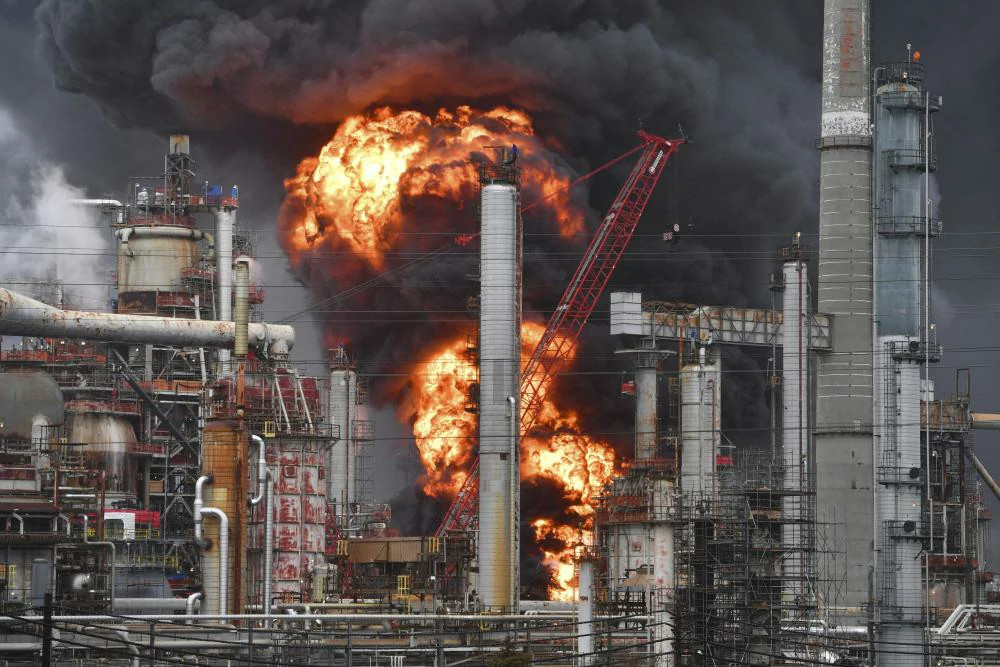
A wet chemical fire extinguisher class rating is Class K, and that rating is non-negotiable in commercial cooking operations involving high-temperature oils and fats. It is not a general-purpose substitute for dry chemical extinguishers in a kitchen line, and using the wrong agent can drive flare-up, splatter, and rapid re-ignition. Under NFPA 10, Class K hazards require an agent and discharge pattern suited to cooking media; wet chemical extinguishers are engineered to cool the fuel and create a stable surface seal through saponification, which directly reduces re-flash.
Many units also carry a limited Class A rating for ordinary combustibles, but that capability is secondary and does not change the wet chemical fire extinguisher class purpose. Procurement and SOP language should state that a wet chemical fire extinguisher is the required control for Class K hazards at the appliance, while ABC units remain support tools for non-cooking fuels nearby. Misclassification in placement and training increases property loss and liability exposure.
Working Principle of a Wet Chemical Fire Extinguisher
A wet chemical fire extinguisher uses a potassium-based solution as its extinguishing agent to suppress fire by cooling the fuel surface and chemically sealing it, and it is not a flame-only suppression device. Its performance depends on changing the behavior of super-heated cooking oils, not on displacing flames alone. This mechanism defines the wet chemical fire extinguisher class and cannot be replaced by water, CO₂, or dry powder without a predictable risk of re-ignition.
Under NFPA 10, wet chemical extinguishers are specified for cooking media operating well above water’s safe application range. When discharged, a wet chemical fire extinguisher uses as its extinguishing agent a fine potassium mist that contacts burning oil and initiates saponification, forming a stable, non-combustible soap layer. The suppression sequence is deterministic:
Cooling: The mist reduces surface temperature, limiting vapor release and splatter.
Chemical reaction: Potassium salts convert hot fats into a thick soap film.
Oxygen isolation: The film seals the fuel surface and blocks oxygen access.
Re-flash control: Coverage remains after discharge, preventing reignition.
This explains why wet chemical extinguishers reliably control fryer and griddle fires, and why substituting dry powder or water creates predictable flare-back and injury risk.
Use Guidelines, Inspection, and Maintenance
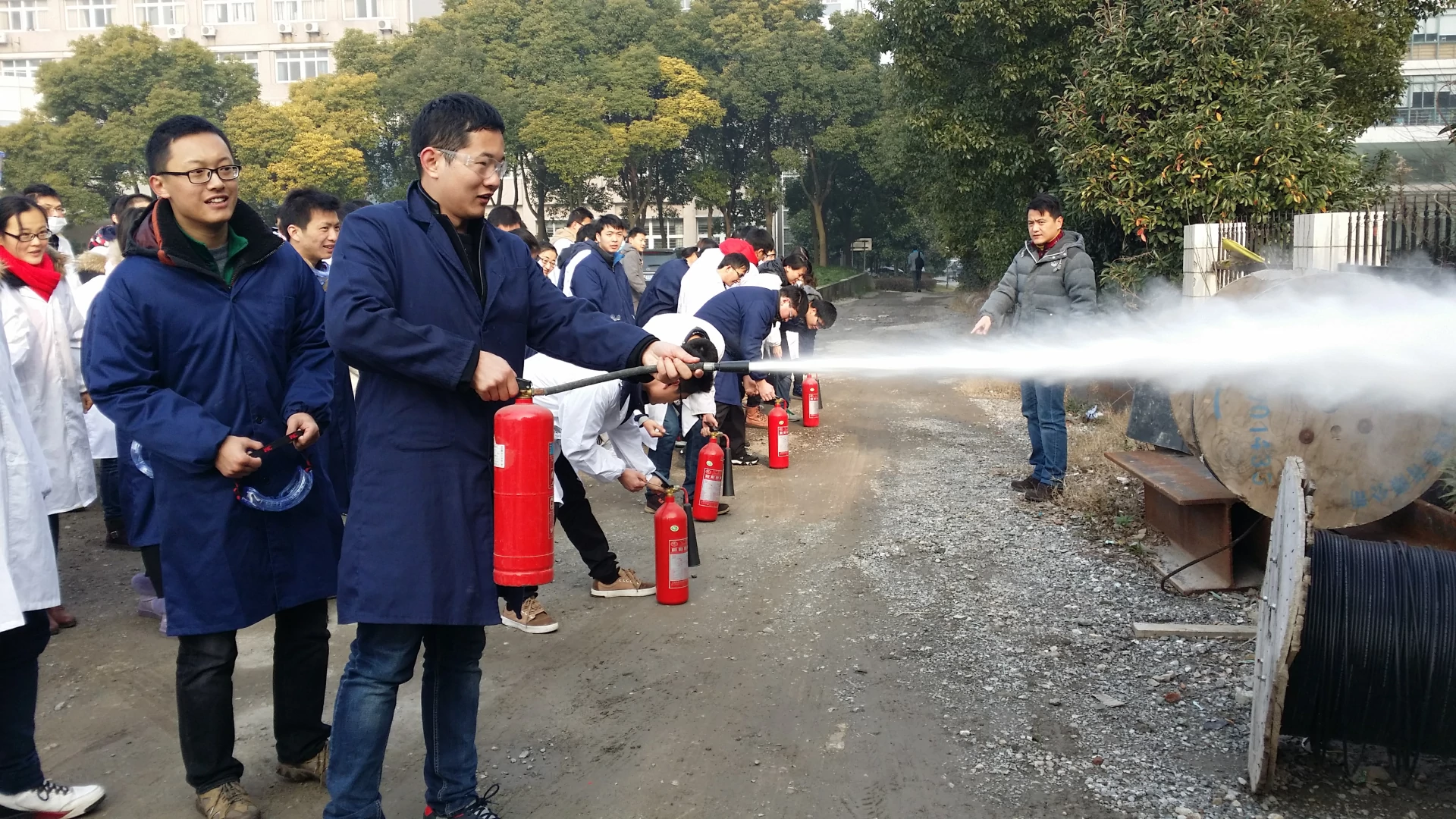
A wet chemical extinguisher is a Class K tool for commercial cooking oil and fat fires, and it is not a general-purpose kitchen extinguisher. It cannot be applied like a dry chemical stream; the wrong application pattern drives oil splash, flare-up, and loss of control. For Class K discharge, the nozzle/lance stays above the burning surface and the agent is laid down to form a continuous blanket that cools and seals the fuel.
For field use: pull the pin, keep distance, aim above the fryer, then discharge in slow circular sweeps to build the blanket; if safe, shut off the heat source before re-ignition cycles. For readiness and compliance, NFPA 10 practice requires monthly visual inspection (access, gauge/indicator, pin/seal, damage, legibility) and annual service by a qualified technician; hydrostatic testing intervals commonly list wet chemical every 5 years.
A wet chemical fire extinguisher is a Class K–specific control tool: when correctly selected, applied, and maintained, it reliably suppresses high-temperature cooking oil fires while preventing re-ignition; misapplication or poor inspection directly increases operational risk. Poseidon Fire Tech designs and manufactures NFPA-aligned wet chemical extinguishers, offering OEM customization and compliant solutions for commercial kitchens and industrial fire safety programs.