

A wet chemical fire extinguisher is used for Class K kitchen fires involving cooking oils, animal fats, vegetable oils, and grease. It is mainly found in commercial kitchens, restaurants, cafeterias, food trucks, and other cooking areas with deep fryers, griddles, ranges, or similar appliances.
It works by discharging a potassium-based liquid agent in a gentle spray. The agent cools the burning oil and creates a chemical reaction called saponification, which forms a soapy layer over the oil surface. This layer helps seal vapors, separate oxygen, and reduce the risk of re-ignition.
A wet chemical extinguisher is not a universal fire extinguisher. It should not replace the correct extinguisher for Class A, Class B, or Class C hazards outside commercial cooking areas. Some listed models may carry a limited Class A rating, but their primary purpose remains cooking-oil fire protection.
What Is a Wet Chemical Fire Extinguisher?
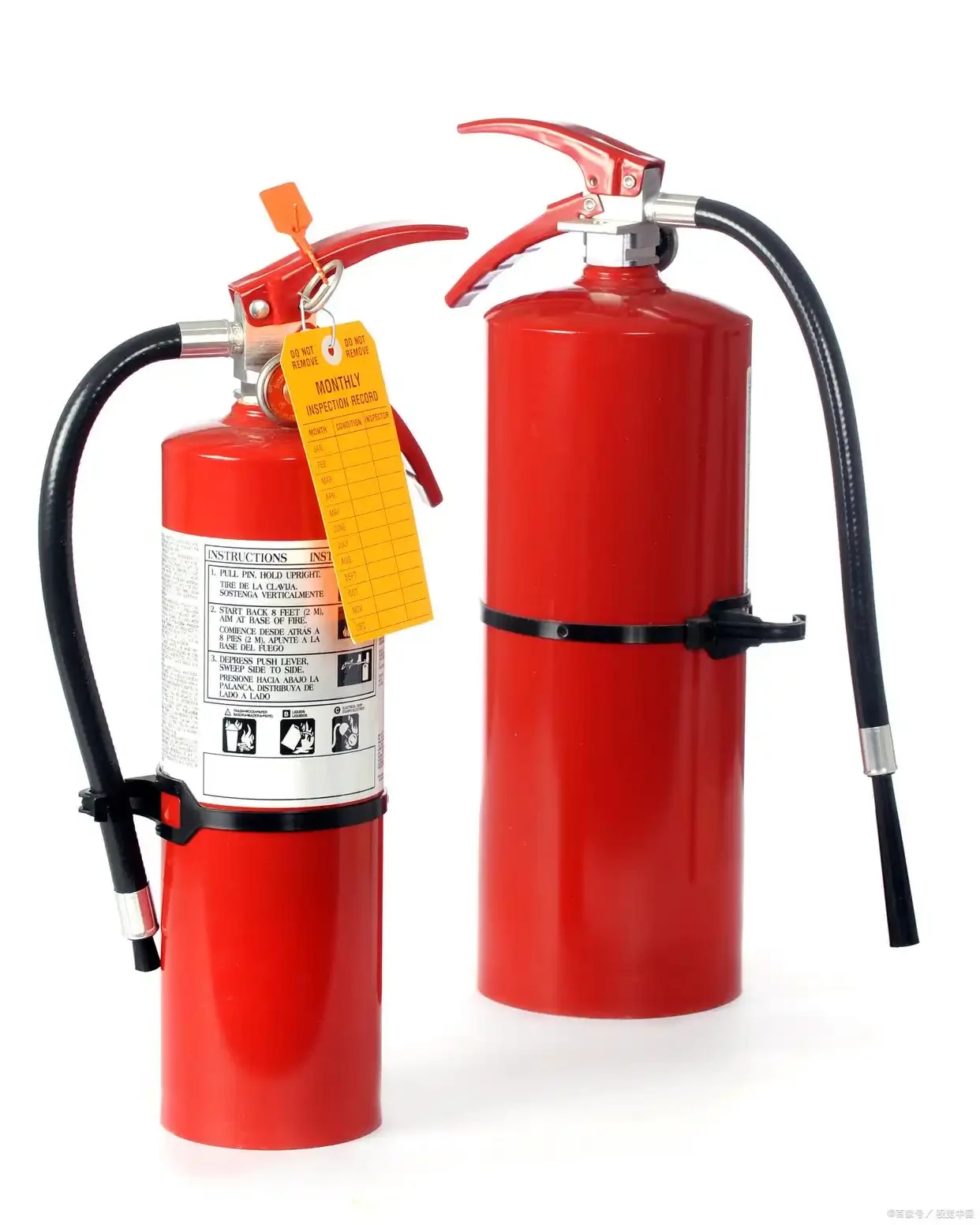
A wet chemical fire extinguisher is mainly used for Class K cooking-media fires involving hot cooking oil, grease, animal fats, and vegetable oils. It is designed for commercial kitchens, restaurants, cafeterias, food trucks, and similar cooking areas. It should not replace the correct extinguisher type for Class A, Class B, or Class C hazards in mixed-risk areas.
In NFPA 10 fire extinguisher selection practice, wet chemical units are primarily selected for Class K cooking-media hazards. Their main job is to cool the burning oil and reduce the chance of re-ignition after the first knockdown.
The extinguishing agent is usually a potassium-based liquid solution. Common examples include potassium acetate, potassium citrate, or potassium carbonate. When applied to hot oil, the agent reacts with the fat through saponification. This forms a soapy layer over the surface, helping seal vapors, separate oxygen, and cool the oil below its ignition range.
Some wet chemical extinguishers may also carry a limited Class A rating, depending on the listed model. That does not change their main role as Class K kitchen extinguishers. For procurement, misclassifying wet chemical extinguishers can create compliance gaps, training problems, and higher liability risk.
Fire Rating of a Wet Chemical Fire Extinguisher
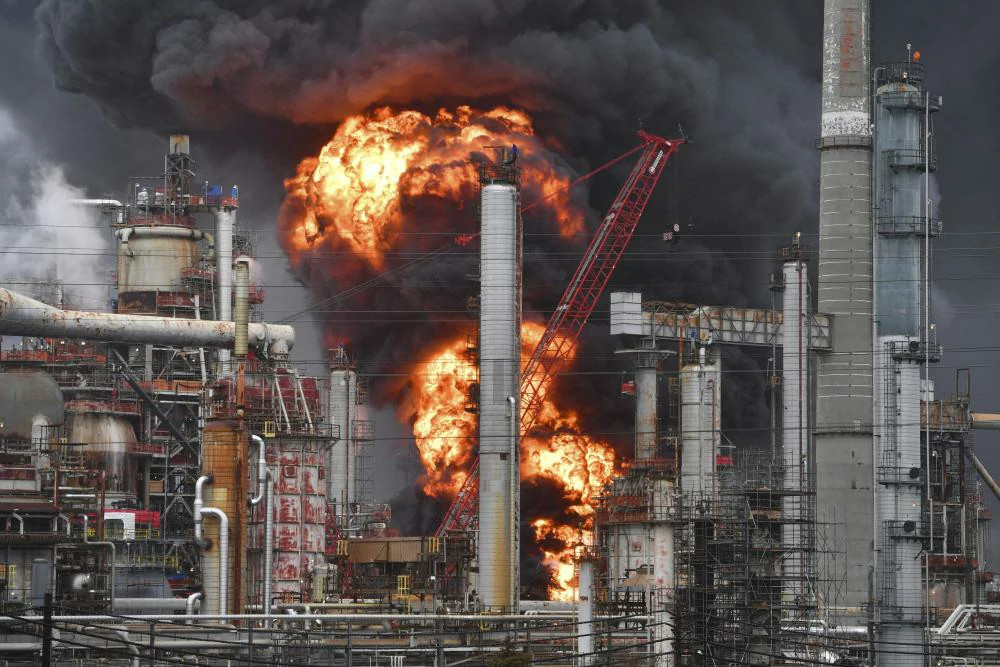
A wet chemical fire extinguisher is mainly selected for Class K cooking-media fires. These fires involve high-temperature cooking oils, animal fats, vegetable oils, and grease in commercial kitchens.
Commercial kitchens should provide Class K protection near deep fryers, griddles, ranges, and similar appliances. A wet chemical extinguisher should not be treated as a general-purpose substitute for ABC dry chemical or CO₂ extinguishers in mixed-hazard areas.
In NFPA 10 extinguisher selection practice, Class K hazards require an extinguisher agent and discharge pattern suited to cooking media. Wet chemical extinguishers use a potassium-based liquid agent that cools the burning oil and reacts with the fat through saponification. This creates a soapy surface layer that helps seal vapors, separate oxygen, and reduce re-ignition risk.
Some wet chemical extinguishers may also carry a limited Class A rating for small ordinary combustibles, depending on the listed model. That does not change their main purpose as Class K kitchen extinguishers. ABC dry chemical extinguishers may still be used for compatible non-cooking hazards nearby. They should not replace the Class K unit at the cooking appliance.
For procurement and SOPs, the classification should be clear: use wet chemical extinguishers for Class K cooking-oil hazards, and use the correct extinguisher type for Class A, Class B, or Class C hazards outside the cooking line. Wrong classification can lead to poor placement, training gaps, and delayed fire control.
Working Principle of a Wet Chemical Fire Extinguisher
A wet chemical fire extinguisher uses a potassium-based liquid agent. It controls cooking-oil fires by cooling the fuel surface and forming a chemical seal over the oil. It does more than knock down visible flames. Its main value is reducing oil temperature and limiting re-ignition after the visible flames are controlled.
That is why wet chemical extinguishers are mainly selected for Class K cooking-media fires. Water is dangerous on burning cooking oil because it can spread the fire or cause violent splatter. CO₂ or dry powder may knock down visible flames, but they may not cool the oil enough to prevent re-ignition.
In NFPA 10 extinguisher selection practice, Class K hazards require an extinguishing agent and discharge pattern suited to cooking media. When discharged, a wet chemical extinguisher applies a gentle spray of potassium-based liquid agent onto the burning oil. The agent cools the oil and reacts with hot fats through saponification, forming a soapy surface layer.
The suppression process usually works through four linked actions:
- Cooling: The agent lowers the oil surface temperature and reduces flammable vapor release.
- Chemical reaction: Potassium salts react with hot fats to form a soapy layer.
- Oxygen separation: The surface layer helps separate the fuel from oxygen.
- Re-ignition control: Continued surface coverage helps reduce the chance of re-ignition after discharge.
This explains why wet chemical extinguishers are preferred for many fryer, griddle, and cooking-oil fire hazards. They should not be used as substitutes for a Class K wet chemical extinguisher at the cooking appliance.
Use Guidelines, Inspection, and Maintenance
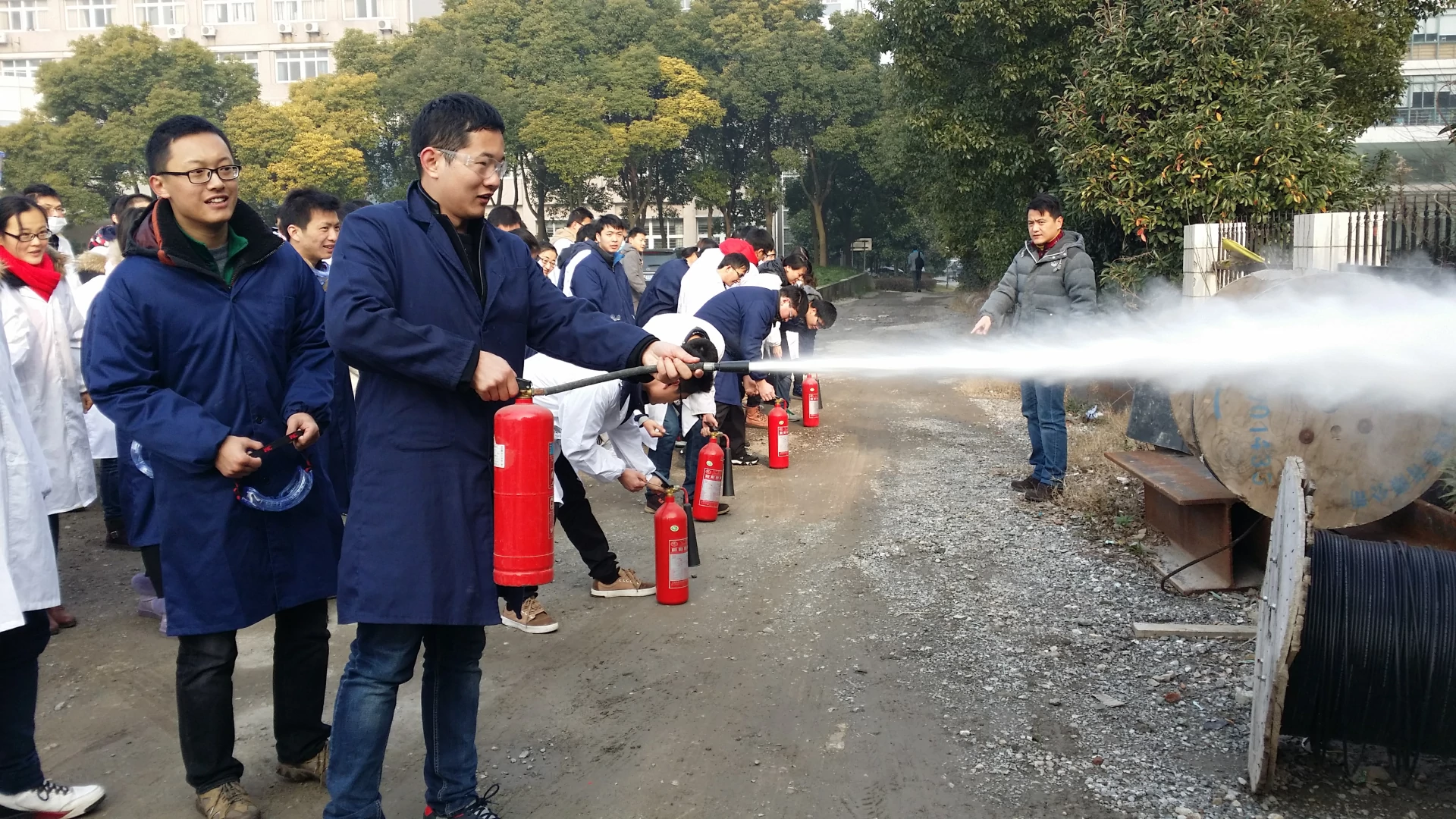
A wet chemical extinguisher is mainly used for Class K cooking-oil fires. It is not a general-purpose kitchen extinguisher and should not be used like a dry chemical unit. A forceful or direct discharge can splash hot oil, spread flames, or increase re-ignition risk.
When using a wet chemical extinguisher on a Class K fire, apply the agent gently over the burning cooking surface. The goal is to build a continuous wet chemical layer that cools the oil and seals the fuel surface.
- Use: Pull the pin, keep a safe distance, aim the nozzle over the cooking surface, not directly into the oil, and apply the agent in slow, controlled sweeps.
- Heat source: If it is safe, shut off the appliance heat source as early as possible.
- Monthly inspection: Check access, location, gauge or indicator, pin, tamper seal, damage, corrosion, leakage, and label legibility.
- Annual service: Arrange maintenance by a qualified technician.
- After use: Recharge or replace the extinguisher after any discharge, leakage, or pressure loss.
- Hydrostatic testing: Wet chemical extinguishers are commonly tested every 5 years, depending on the model and applicable NFPA 10 requirements.
A wet chemical fire extinguisher is a Class K–specific control tool: when correctly selected, applied, and maintained, it reliably suppresses high-temperature cooking oil fires while preventing re-ignition; misapplication or poor inspection directly increases operational risk. Poseidon Fire Tech designs and manufactures NFPA-aligned wet chemical extinguishers, offering OEM customization and compliant solutions for commercial kitchens and industrial fire safety programs.