

Imagine a firefighter navigating rough terrain for hours, with every step demanding flexibility and durability. This is where Stitch Down Construction comes into play. Unlike traditional boot construction methods, where the outsole is sewn to a leather welt or stitched to a leather insoles, Stitch Down Construction directly stitches the upper to the sole, creating a secure yet flexible bond. This design allows for easier break-in and greater foot movement—key attributes when boots are in use for long shifts or across challenging landscapes.
This construction method is ideal for NFPA 1977 wildland boots, where mobility, comfort, and durability are essential. The flexible sole enables wildland firefighters to move with ease while still maintaining adequate protection. Stitch Down Boots also work well for station boots, where comfort during long hours of standing or walking is a priority.
However, Stitch Down Construction does have its limitations. It is generally not the best option for NFPA 1971 structural boots, which require maximum water resistant and chemical resistance. For these boots, Goodyear welt construction or welted construction methods are preferred because they provide better liquid integrity and chemical protection under extreme conditions.
Stitched Down Construction
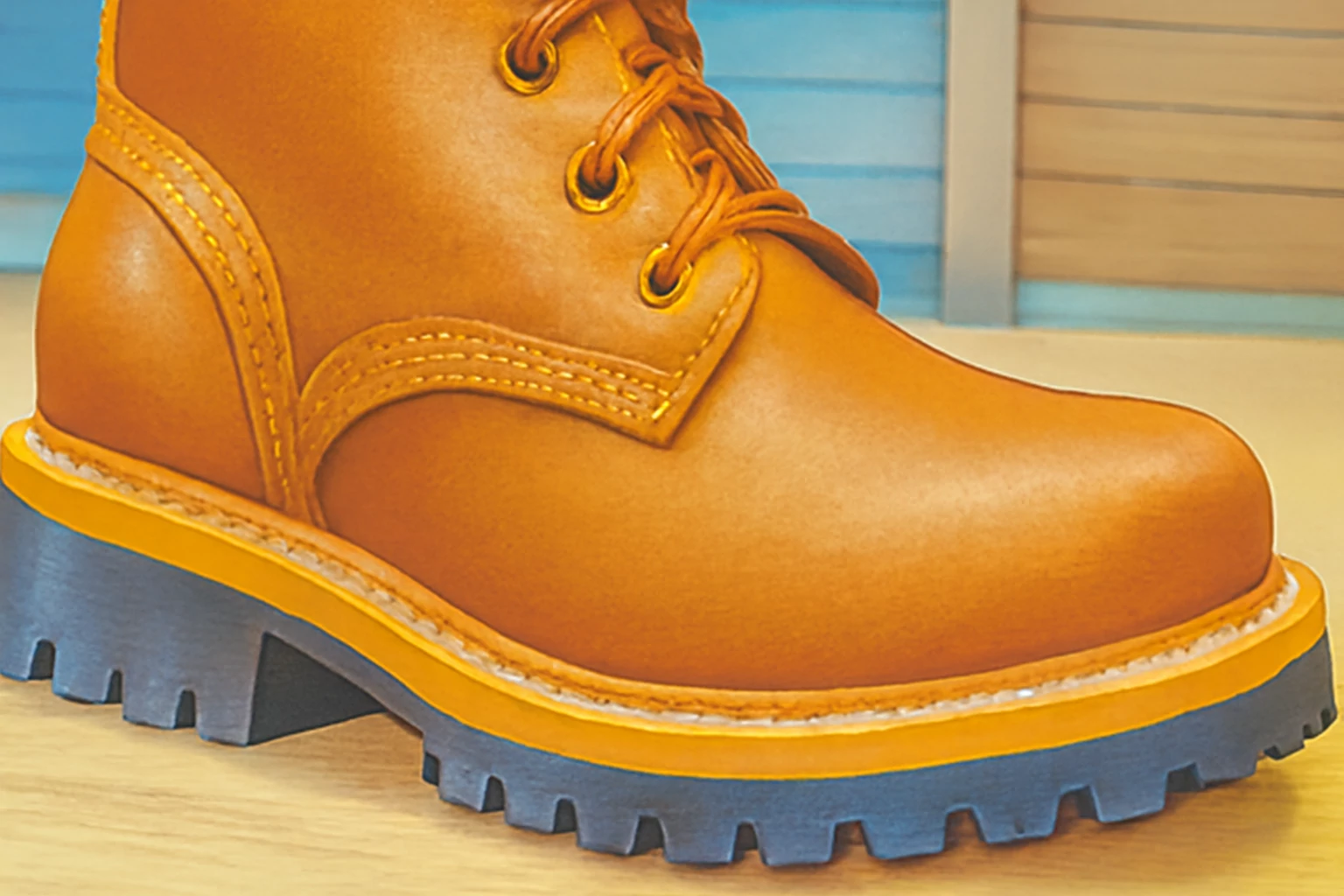
Stitched Down Construction is a boot construction technique where the upper leather is directly stitched to the sole, creating a flexible, durable bond without the need for a welt stitch. Unlike Goodyear welt construction, where a welt stitch connects the outsole and upper, Stitched Down Construction ensures that the upper leather is sewn directly to the sole, resulting in a more flexible and lighter weight boot. This construction is especially beneficial for boots that require comfort and mobility while still offering protection.
The roots of Stitched Down Construction can be traced back to the early 20th century, when bootmakers sought alternatives to the labor-intensive Goodyear welt construction. The technique became popular in work boots and military boots, and soon found strong applications in wildland and station boots for firefighters. With the growing need for flexibility and agility in the field, Stitched Down Construction emerged as the preferred choice for NFPA 1977 wildland boots, offering a combination of comfort, lightweight design, and long-lasting durability.
For wildland boots, the construction allows for enhanced flexibility, ensuring that firefighters can move efficiently and comfortably over rugged terrain. This feature is crucial when long hikes and extensive physical activity are part of the job. Similarly, station boots, designed for long hours of standing or walking, benefit from the flexible construction and improved break-in time that Stitched Down boots provide.
However, despite its advantages, Stitched Down Construction is generally not suited for NFPA 1971 structural boots, which require maximum water resistant and chemical resistance. For these applications, Goodyear welt construction or Direct Injection are preferred because they provide superior waterproofing and liquid integrity for high-risk environments. Stitched Down boots are generally not as effective in these areas, limiting their application for extreme conditions where chemical exposure and waterproofing are essential.
Advantages of Stitched Down Construction
Flexibility and Comfort: The direct stitching of the upper to the sole creates a flexible fit that is more comfortable and easier to break in compared to more rigid welted constructions. The outer-folded upper ensures a secure, reinforced bond for greater durability and flexibility.
Durability: While not as water resistant as Goodyear welt boots, Stitched Down Construction still provides reliable durability, especially for wildland and station boots. The 360-degree stitching and durable materials ensure these boots last long and perform well in various environments.
Water Resistance: The outward-facing stitching provides an added layer of water resistance, helping to keep boots dry in wet or muddy conditions, making them ideal for environments where water resistance is crucial.
Lightweight: The flexible sole and lightweight construction reduce foot fatigue, making these boots an excellent choice for environments where mobility is key.
Cost-Effective: Stitched Down Construction is generally more cost-effective to produce than Goodyear welt boots, making it a good option for boots that prioritize comfort and flexibility without compromising on durability.
Resoleable and Rebuildable: Like Goodyear welted boots, Stitchdown boots can be resoled and rebuilt, extending their lifespan and making them a cost-effective choice for long-term wear.
Limitations
Not Ideal for Extreme Conditions: While ideal for wildland boots, Stitched Down Construction is not typically suited for NFPA 1971 structural boots, which require superior water resistance and chemical protection.
Non-Resoleable: Unlike Goodyear welted boots, Stitched Down boots cannot be resoled, which may limit their longevity in environments that demand long-term wear and tear.
Manufacturing Process

Upper Preparation and Folding: The process begins with the selection of upper leather, which is pulled straight and folded over the midsole. This creates a flange that wraps around the edge of the outsole, providing a solid foundation for the next steps.
Stitching the Upper, Midsole, and Outsole Together: The folded upper, midsole, and outsole are securely stitched together using a lockstitch method, ensuring a firm connection between the upper and the sole. This technique creates a strong bond while maintaining flexibility and mobility, a key characteristic of Stitch Down Construction. The stitching method prevents delamination and contributes to overall durability.
Creating a Solid, Unified Unit: Once the stitching is complete, the boot forms a single, unified unit where the upper, midsole, and outsole work together to provide both flexibility and durability. This structure allows the boot to withstand harsh conditions while maintaining comfort and support, which is essential for wildland boots and station boots.
What Types of Firefighter Boots Are Ideal for Stitched Down Construction?
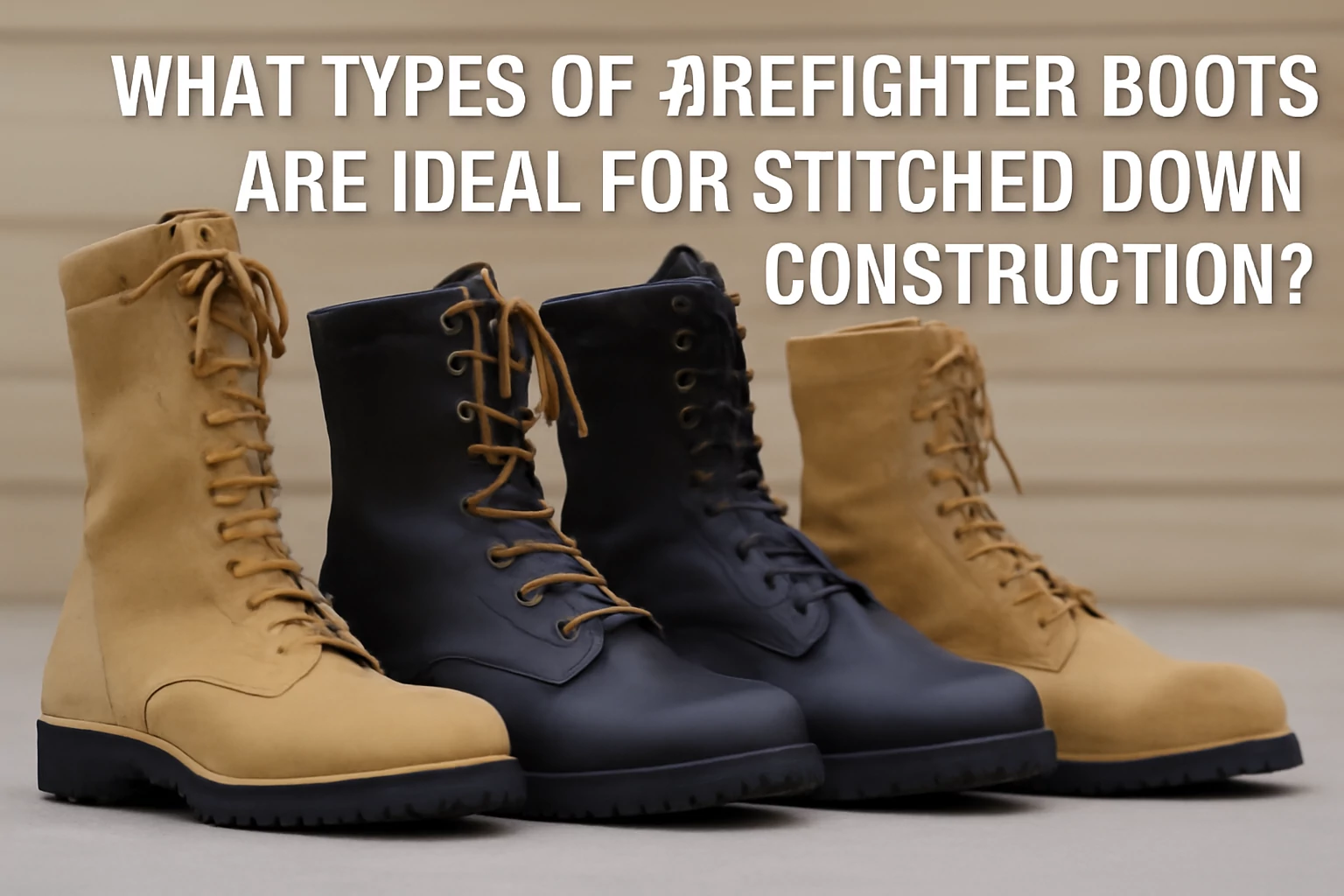
Stitch Down Construction is ideal for firefighter boots where comfort, flexibility, and mobility are key. While it may not provide the extreme water resistant or chemical resistance of Goodyear welt construction or Direct Injection, it excels in boots that prioritize lightweight design and quick break-in time.
Wildland Boots (NFPA 1977): Stitch Down Construction is perfect for wildland boots, where flexibility and mobility are essential. The lightweight design reduces foot fatigue during long hikes, while the abrasion-resistant upper leather provides durability in rugged environments. It offers sufficient water resistant for wet conditions but is not intended for extreme waterproofing.
Station Boots (NFPA 1992, NFPA 1994): For station boots, Stitch Down Construction provides the comfort needed for long hours of standing or walking. The flexibility and quick break-in time make them ideal for indoor or light-duty use. While not as chemically resistant as other constructions, it offers durability and comfort for general station tasks.
Non-Structural Firefighting Boots: Stitch Down Construction is also suitable for non-structural firefighting boots used in HAZMAT or light-duty tasks. These boots need comfort and abrasion resistance, which Stitch Down Construction provides, without the need for extreme protection required in structural firefighting.
Desert Boots and Utility Boots: Stitch Down Construction is ideal for desert boots and utility boots, where lightweight design and comfort are needed for hot and dry environments. The flexible construction allows for extended wear in harsh outdoor conditions.
Stitched Down Construction is perfect for wildland boots and station boots, offering comfort, flexibility, and lightweight design. It’s ideal for environments requiring mobility and quick break-in. For structural firefighting, other constructions like Goodyear welt or Direct Injection may provide better protection.
At Poseidon, we offer high-performance firefighter boots using Stitched Down Construction for wildland and station boots. Contact us today to find the right boots for your needs and ensure your comfort and safety!