

A fire helmet is life-support equipment, not a dress-uniform accessory. Firefighter helmet is built to keep a firefighter alive when a room flashes, a ceiling fails, or a limb drops during wildland fire operations. Geometry, shell composite, and suspension are tuned to the work: structural firefighting, wildland, and technical rescue. Here we’re talking about NFPA-compliant helmet design used by U.S. fire departments, tested under NFPA 1971 for structural firefighting, 1977 for wildland, and 1951 for rescue.
In typical structure fires, overhead temperatures can climb past 500°F (260°C), so the helmet has to shed heat, absorb multi-directional impact, and stay stable on the head while locking in with SCBA facepieces and eye protection. Whether it’s a tall-crown leather helmet, a low-profile composite, a Euro full shell, or a lightweight wildland cap, the fire helmet remains a mission-specific barrier between the wearer and lethal conditions.
Firefighter Helmet
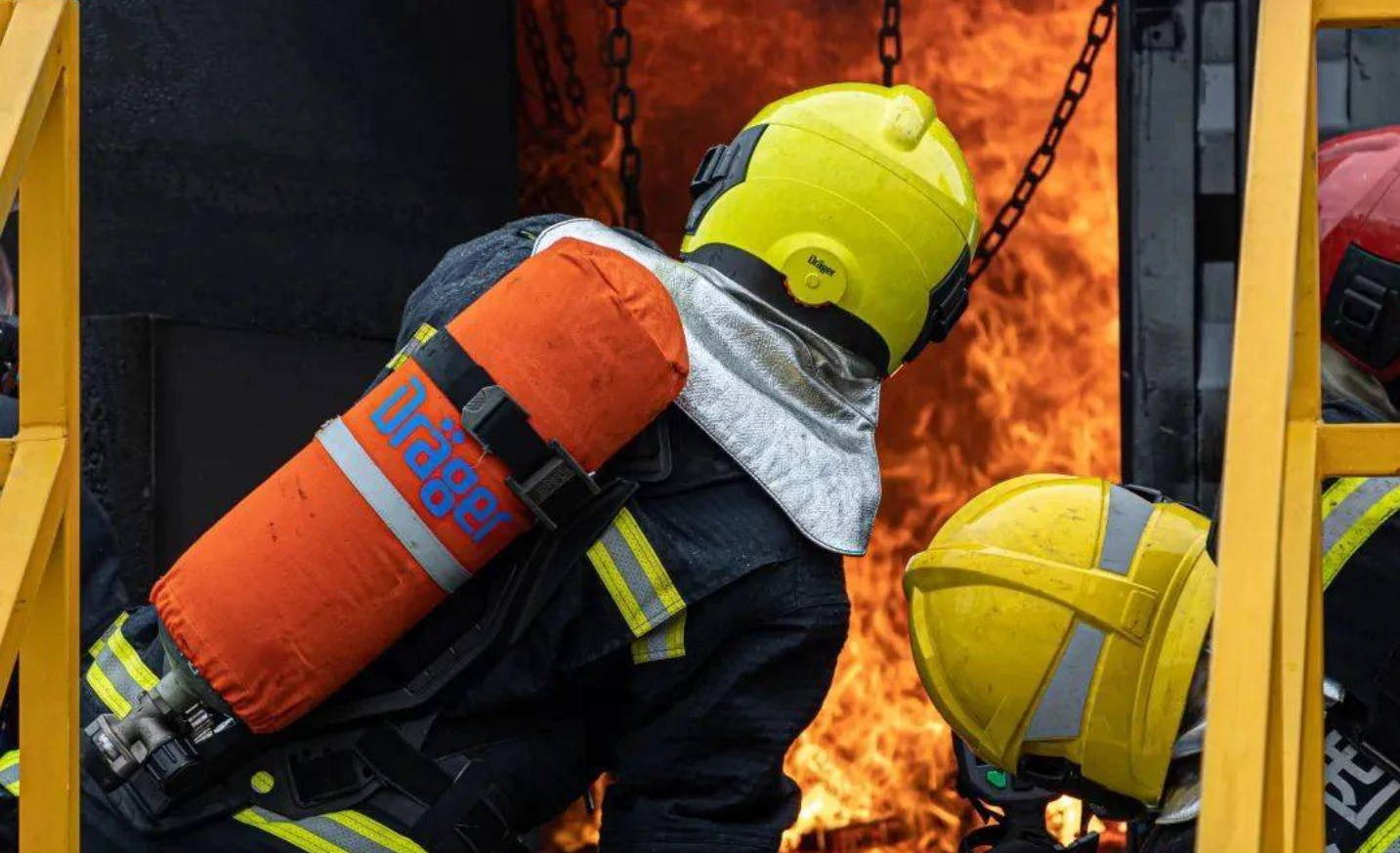
A fire helmet is structural and wildland PPE designed to protect a firefighter’s head from heat, impact, and falling debris during structure fires or wildland fire operations. In modern practice, its definition is tied to performance: fire helmets must pass the thermal, impact, and retention tests in NFPA 1971 for structural firefighting, NFPA 1977 for wildland, and NFPA 1951 for technical rescue. That is a long evolution from the early leather helmets worn by volunteer firefighters in 1800s fire companies, where pride and original design mattered more than tested protection.
A compliant fire helmet is expected to tolerate overhead gas temperatures above 500°F (260°C), survive multiple drop impacts in certification testing, and stay secure when paired with turnout gear and an SCBA facepiece. The shell and suspension must keep the firefighter’s head centered, manage clearance from hot surfaces, and shed water and embers away from the neck. Whether built as a tall-crown leather helmet, a modern helmet composite shell, or a Euro full-face profile, the fire helmet exists for one purpose—giving a firefighter critical protection when the conditions around them turn lethal.
Materials, Structure, and Components
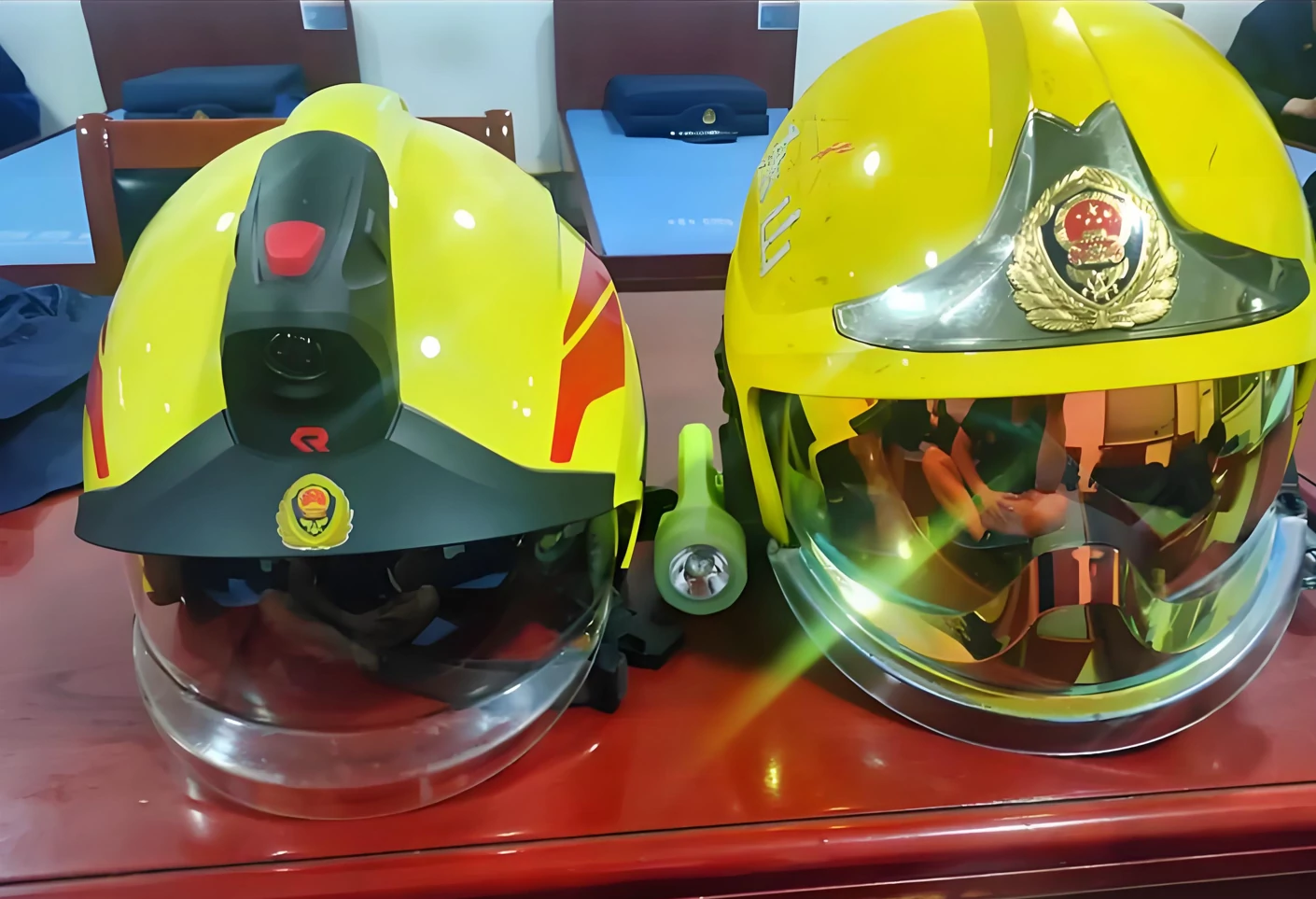
Fire helmet design is driven by the hazards it must survive. Shell material, internal structure, and components are engineered around specific use cases—structural firefighting, wildland fire, and technical rescue—and validated under NFPA performance tests. Under NFPA 1971, structural fire helmets must endure radiant heat exposure and impact-attenuation drops (typically from about 2 m onto a steel anvil) without cracking, melting, or losing retention.
Most structural fire helmets use thermoplastic or fiberglass-reinforced composite shells with a full suspension, energy-absorbing liner, rigid front shield mount, and extended rear brim to keep heat, water, and embers off a firefighter’s head and turnout coat. This structure stays stable when firefighters wear an SCBA, advance a line, or work low during structure fires. Traditional leather helmets keep the tall crown and ribs but now embed composite reinforcements to replace the original design while meeting NFPA impact and penetration criteria.
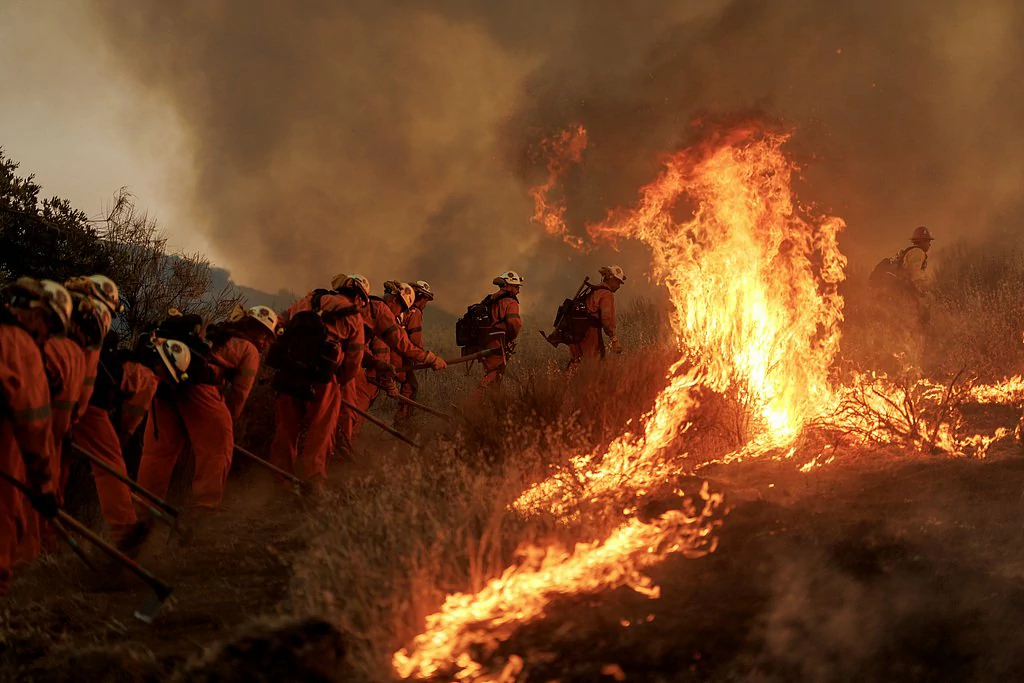
Euro-style modern helmets form a one-piece shell covering the ears and jawline, with integrated visors and side-impact zones well suited for rescue operations evaluated under NFPA 1951. Wildland fire helmets, built to NFPA 1977, use lightweight thermoplastics, shallow crowns, and high ventilation to reduce neck fatigue during long-shift fireline work, while keeping compatibility with goggles and shrouds. Across all models, the essential elements—shell, liner, suspension, and retention—exist to manage heat, impact, and fatigue so firefighters can stay functional in hostile conditions.
| Helmet Type | Shell Material | Internal Structure | Key Components | NFPA Standard | Best For |
| Structural Fire Helmet | Thermoplastic or fiberglass-reinforced composite | Full suspension + energy-absorbing impact liner | Rear brim, front shield mount, SCBA-compatible profile | NFPA 1971 | Interior attack, overhaul, structure fires |
| Leather Helmet | Treated leather with embedded composite reinforcement | Deep dome + ribbed crown for standoff | Traditional front shield, extended rear brim | NFPA 1971 | Departments seeking classic style + structural firefighting performance |
| Euro-Style Modern Helmet | Composite one-piece full shell | Integrated ear/jaw coverage + side impact zones | Dual visors, face protection, balanced profile | NFPA 1951 | Technical rescue, extrication, extended operations |
| Wildland Fire Helmet | Lightweight, heat-resistant thermoplastic | Minimalist suspension for breathability | Wide brim, ventilation slots, goggle-compatible design | NFPA 1977 | Wildland fire, long-shift patrol, fireline mobility |
Fire Helmet Color Coding

Fire helmet colors are used to show rank and assignment at a glance on the fireground.
Common U.S. color codes include:
Black — Interior crews in structural firefighting
Yellow / Red — Standard or probationary firefighters wear for general duty
White — Chiefs and command officers
Blue — EMS or medical support
Green — Safety officers
Schemes vary by fire departments, but the goal is the same: fast visual recognition when smoke drops visibility to a few feet and decisions cannot wait.
Color coding works as a tactical tool, not decoration. During structure fires and rescue incidents, crews must immediately identify who can make entry, who runs accountability, and who holds command when a Mayday is transmitted. While NFPA 1971 governs the performance of fire helmets rather than their colors, most departments embed their color conventions into SOPs so that rank, training level, and tactical authority remain consistent from one incident to the next. Clear color standards speed task assignment, reduce radio traffic, and support safer fireground coordination.
Brand, Pricing, and How to Choose
Brand and pricing for fire helmets fall into a practical three-tier ladder. T0 brands sit at the top on cost and trust, T1 brands deliver full NFPA-listed performance with better value, and T2 OEM factories supply non-listed helmets that may match the build but cannot carry the certification mark. For context, a structural firefighting helmet listed to NFPA 1971 typically lands in the $300–$550 street-price range and must pass shell heat exposure and impact-attenuation drop tests (about a 2 m drop onto a steel anvil) without cracking or losing retention.
T0 Tier – Premium, fully proven brands
These are the helmets most buyers benchmark against. Think of major U.S. brands with long certification history, strong warranty support, and large-city deployments. Pricing often runs $360–$550. Departments with multiple stations and strict risk management programs use T0 to standardize across every engine company, simplify training, and keep legal exposure low. Cost is driven by certification cycles, liability coverage, and brand equity, not by materials alone.
| Brand | Representative Models | Price | Notes |
| Cairns (MSA) | 1010, 1044, 880 | $400–$550 | Widely used in major fire departments; leather helmets available. |
| Phenix Technology | TL-2 Leather, First Due | $380–$520 | Lightweight traditional shapes; strong following among career and volunteer firefighter crews. |
| Bullard | N6, N5A, NXT | $360–$520 | Known for durability and stable helmet design lineage. |
T1 Tier – NFPA-listed performance, stronger value
T1 brands still deliver NFPA 1971–listed fire helmets with the same critical protections—heat resistance, shell deformation limits, impact attenuation—but at roughly $200–$320. They typically trim marketing and distribution overhead rather than cutting protection. Many volunteer firefighter agencies, rural districts, and budget-sensitive municipal buyers choose T1 when lifecycle cost matters more than logo recognition.
| Brand | Representative Models | Price | Notes |
|---|---|---|---|
| Lakeland | Traditional & Modern Series | $220–$300 | Fully certified; solid materials; less branding cost. |
| Lion | American Heritage, Legacy Series | $230–$320 | Strong U.S. PPE supplier; consistent NFPA compliance. |
| Argus (Avon Protection) | MiFire Series | $240–$300 | Popular in global markets; lighter modern helmets. |
T2 Tier – OEM factories without NFPA listing
T2 manufacturers often build for big labels and use similar fiberglass or thermoplastic shells and energy-absorbing liners, with lab performance approaching NFPA targets. Street pricing can drop to $70–$150. These helmets make sense for training academies, wildland fire, industrial brigades, or non-interior duty. The limitation is policy: departments with SOPs aligned to NFPA 1500 usually prohibit non-listed helmets for interior structural firefighting.
| OEM Type | Pricing | Applications |
| Chinese / Southeast Asia OEM (e.g., Poseidon, several Shenzhen/Xiamen PPE OEMs) | $70–$150 | Training academies, wildland fire, technical rescue, standby crews, non-structural response. |
In practice, the ladder is simple: T0 = maximum trust and standardization, T1 = certified value for front-line work, T2 = mission-specific economy where formal NFPA listing is not required.
Fire helmet selection is a technical decision grounded in hazard assessment, certification requirements, and operational doctrine. NFPA 1971 establishes the minimum performance criteria for structural firefighting helmets, while wildland and rescue operations rely on lighter designs governed under NFPA 1977 and NFPA 1951. Across all mission sets, helmet shape, materials, impact management systems, and thermal performance directly influence firefighter safety and operational reliability on the fireground.
Departments seeking mission-appropriate PPE should evaluate certification status, shell construction, suspension design, thermal endurance, and lifecycle cost as part of their procurement process. Poseidon provides firefighter helmet options engineered for structural firefighting, wildland fire, and technical rescue, enabling agencies to align equipment specifications with NFPA standards, departmental SOPs, and budget constraints.
For technical guidance, bid support, or specification matching, consult a Poseidon equipment specialist to identify the appropriate helmet platform for your operational environment.