
The fourth element of fire is the chemical chain reaction.In modern fire science, this element explains why a flame continues burning after ignition and why disrupting the reaction can extinguish a fire even when heat, fuel, and oxygen are still present.
The addition of the chemical chain reaction expands the traditional Fire Triangle (heat, fuel, oxygen) into the Fire Tetrahedron, a more accurate model of how combustion sustains itself. Without this ongoing radical-driven reaction, fire cannot continue.
The Fourth Element of the Fire Tetrahedron

How the Chemical Chain Reaction Sustains Fire
Once ignition occurs, combustion is maintained by a self-propagating chemical chain reaction. Free radicals generated in the flame zone release energy fast enough to ignite additional fuel vapors, creating a heat feedback loop that sustains burning.
Even when fuel or oxygen becomes limited, this radical-driven process can continue momentarily. Fire suppression becomes effective only when the chemical chain reaction is interrupted, causing the heat feedback loop to collapse and the flame to extinguish.
Why the Fourth Element Matters
Understanding the fourth element directly shapes modern firefighting tactics, especially for Class B flammable liquid fires, where vapor ignition and flame spread occur rapidly.
Chemical interruption—not cooling alone—is often required.
Dry chemical extinguishing agents such as monoammonium phosphate extinguish fire by neutralizing free radicals at the flame front, stopping combustion at the molecular level. This is why dry chemical and clean-agent systems are highly effective against fast-developing fuel fires.
Under UL 711 performance testing, a 5 lb 2A:10B:C extinguisher must extinguish a flammable liquid fire of approximately 10 ft², a result driven primarily by chemical chain interruption rather than fuel cooling. Similarly, NFPA 2001 clean-agent systems are required to reach design concentration within 10 seconds, ensuring the radical-driven reaction is halted before flame growth accelerates beyond control.
For reference, gasoline has a flash point of approximately –45°F (–43°C), illustrating how easily flammable vapors ignite—and why targeting the chemical chain reaction is essential for rapid flame knockdown.
How to Break the Chemical Chain Reaction
Stopping the chemical chain reaction collapses the flame immediately, even when fuel and oxygen remain. The quickest method for Class B incidents is dry chemical application, which neutralizes free radical activity at the flame front. Under NFPA 10, a 5-lb ABC extinguisher typically provides 10–15 seconds of discharge, enough to prevent the reaction from continuing to sustain the fire. For spills involving flammable liquids, AFFF or AR-AFFF reduces vapor release, separates fuel sources from air, and cools the surface below its flash point. Clean agents regulated under NFPA 2001 halt the combustion reaction by interrupting the chemical chain within enclosed spaces.
Different suppression methods target distinct sides of the fire triangle and the fourth element:
Chain interruption: ABC powder, clean agents (radical quench).
Oxygen exclusion: foam, CO₂, and tightly applied fire blankets.
Temperature reduction: water streams dropping fuel below ignition temperature.
Fuel control: isolating combustible material, vapor suppression, spill containment.
Effective tactics match the fuel behavior, heat release, and environment.
| Suppression Method | Agent | Mechanism | Effective Concentration | Discharge Time |
| Dry Chemical | Monoammonium Phosphate (NH₄H₂PO₄) | Inhibits free radicals and forms a protective barrier on fuel | N/A | 5-7 sec for a 1m² fire |
| Clean Agents (Gaseous) | FM-200 (Heptafluoropropane) | Absorbs heat, disrupts radical chemical chain reaction | 7.0-8.5% | ≤10 sec |
| Clean Agents (Gaseous) | Novec 1230 (Dodecafluoro-2-methylpentan-3-one) | Similar to FM-200 but lower environmental impact | 4.2-5.3% | ≤10 sec |
| Water Mist | Ultra-fine mist (10-200 μm) | Absorbs heat, dilutes free radicals | – | 15-30 sec |
| Inert Gases | IG-541 (52% N₂, 40% Ar, 8% CO₂) | Oxygen reduction (~12.5%) + heat absorption | 34-40% volume concentration | ≤60 sec |
The suppression technologies has a specific application. FM-200 and Novec 1230 are ideal for high-tech environments, where sensitive equipment cannot be exposed to water. Fire blankets can be effective for small fires by smothering flames and preventing oxygen from sustaining combustion. Water mist systems are highly effective in suppressing Class A fires, while inert gas systems work best in enclosed spaces by reducing oxygen concentration.
Active vs. Passive Fire Protection
Fire protection strategies fall into two main categories: passive fire protection (which limits fire spread) and active fire suppression (which actively extinguishes flames before they escalate).
Fire Protection That Works Before a Fire Starts
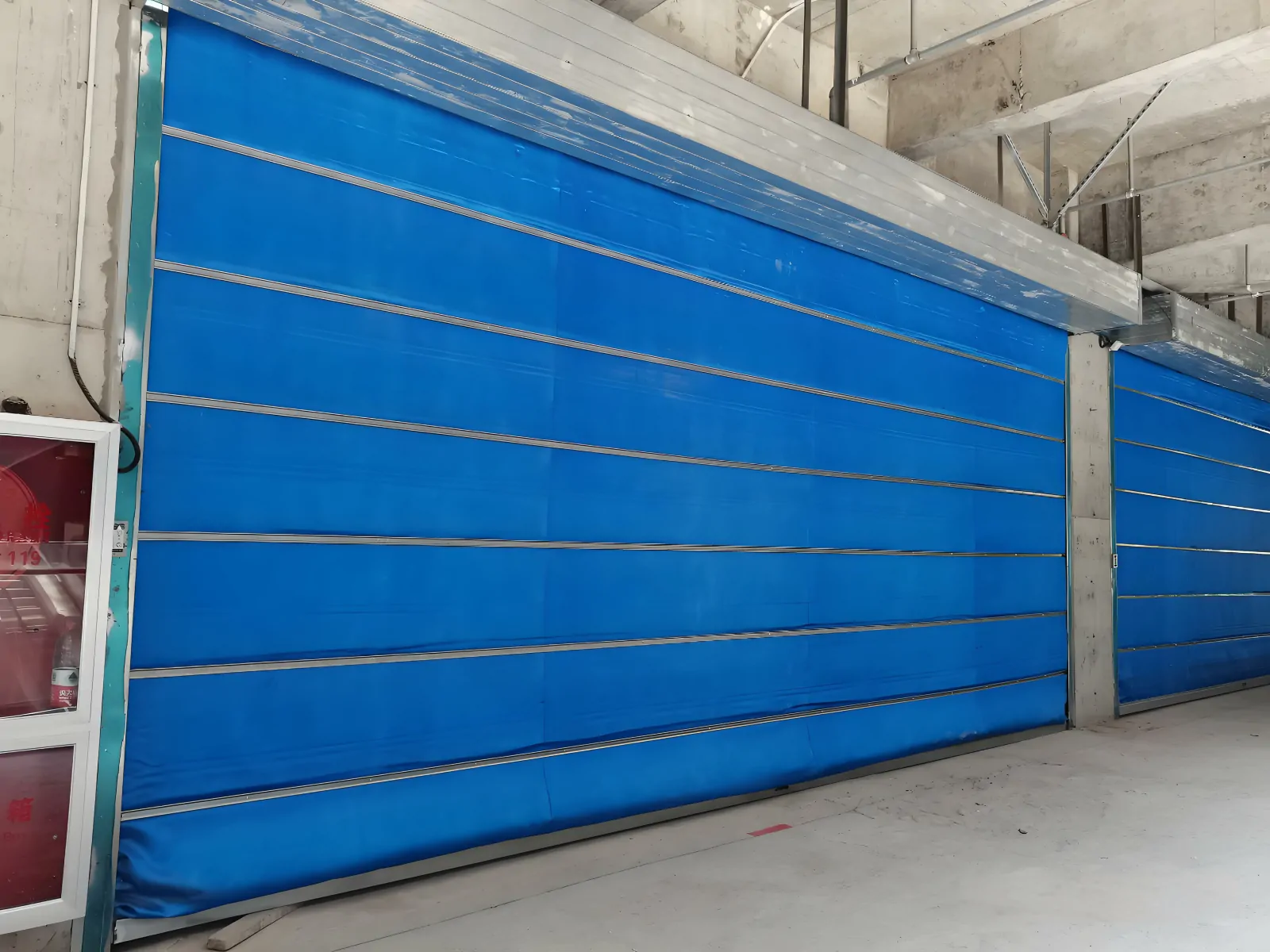
The best fire safety systems are the ones that never let the fire spread in the first place. Passive fire protection includes fire-rated walls, fire doors, and intumescent coatings. These materials resist ignition, contain flames, and slow down fire progression.
A classic example is compartmentalization in high-rise buildings. Fire-resistant materials ensure that if a fire starts in one section, it won’t rapidly spread to another. This buys time for evacuation and firefighting efforts, significantly reducing casualties.
Fire Suppression That Acts in Real-Time

Even with passive protection, some fires still ignite, which is why active suppression systems are essential. Automatic clean-agent fire suppression systems, such as Novec 1230 and FM-200, deploy in under 10 seconds, stopping fires before they cause significant damage. In environments like server rooms, where traditional fire extinguishers work poorly or could damage sensitive electronics, these systems are the best solution.
“The first sign of trouble was a slight increase in temperature—just a fraction of a degree. Within seconds, our air sampling sensors picked up the presence of fine smoke particles, invisible to the human eye. That was the first warning.”
That’s how a major financial institution prevented a multi-million-dollar disaster. Their VESDA system detected smoke in a server rack within 2 seconds, long before open flames appeared.
“By the time traditional smoke detectors would have gone off, the fire would have already been damaging our systems. Instead, the Novec 1230 suppression system activated in under 10 seconds. The fire was out before it could do any real harm.”
The fourth element of fire is the chemical chain reaction. To stop a fire, you must break that chain—not just remove heat, fuel and oxygen. The fastest field-proven tactic is to interrupt free-radical reactions using dry chemical agents. For flammable liquids, AFFF/AR-AFFF both separate fuel sources from oxygen and cool below flash point; for energized spaces or sensitive assets, clean agents and water mist provide radical inhibition without residue. Pair the method to the hazard, verify class, and attack the reaction that sustains the fire—that is modern fire safety.
At Poseidon Fire Tech, we help departments choose suppression methods, PPE, and training that align with understanding the fire tetrahedron. Talk with our specialists to update SOPs, select agents, and equip crews to interrupt the chemical chain—before growth outpaces control.