
Home » Project Portfolio » Building Environments
Building Environments
Protecting Lives, Structures, and Urban Functionality
High-rise housing, commercial buildings, and heritage properties need different combinations of detection, suppression, and evacuation arrangements. Occupancy, building height, room layout, electrical equipment, and sensitive collections affect equipment selection.
Poseidon’s projects below illustrate how these requirements were addressed in specific buildings. Product and design discussions should start with the building use, protected spaces, existing systems, and applicable fire-safety requirements.
Residential High-Rises
Mitigating Fire Spread in Vertical Spaces

High-rise fire protection has to address smoke movement as well as flames. Shafts, stairs, open doors, and evacuation routes influence how smoke reaches occupants. The January 2022 Bronx apartment fire showed how smoke could spread beyond the area where flames were contained.
High-rise protection can include:
- Sprinkler Systems: Water supply, pressure controls, and hydraulic design must match the building’s height, layout, and fire-protection demand, with applicable NFPA 13 requirements addressed in the design.
- Clean Agent Suppression Systems: Clean agent systems can protect suitable enclosed electrical or equipment rooms without extinguishing-agent residue. Enclosure integrity, concentration, and detection and release controls determine suitability.
- Portable Extinguishers and Fire Hose Systems: Extinguishers and fire hoses must be matched to the hazard and the building’s emergency procedures. Their availability does not replace evacuation or authorize untrained occupants to fight a fire.
At Skyline Towers in New York City, Poseidon upgraded the fire-safety infrastructure with smart fire detection, automated sprinkler controls, and accessible extinguishers. Fire response times improved by 30%, while insurance premiums decreased following the compliance upgrades.
Commercial Complexes
Comprehensive Fire Safety for Mixed-Use Spaces
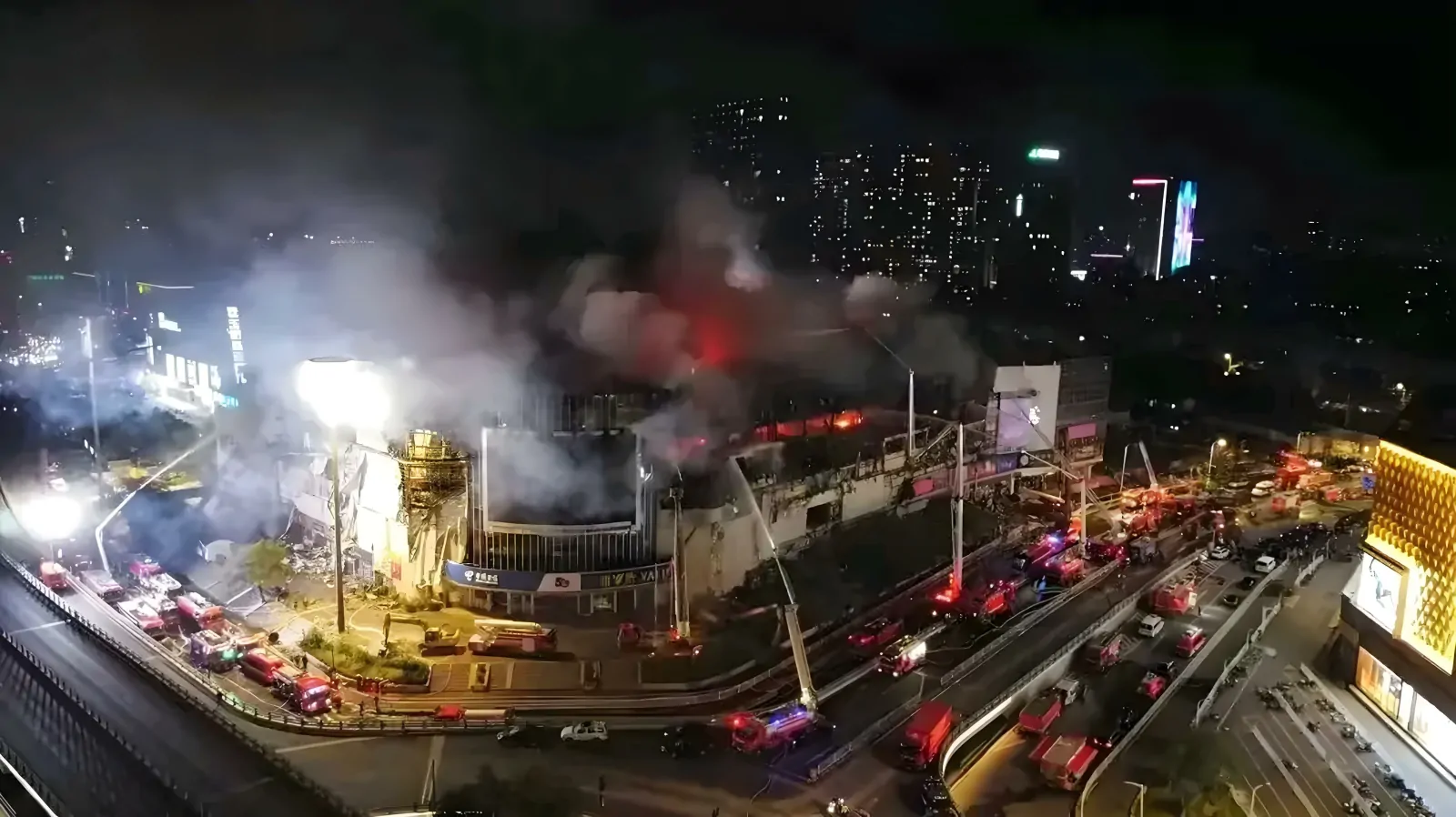
Commercial buildings can combine offices, retail, public areas, and storage rooms with different fuel loads and evacuation needs. Protection needs to account for each use, its occupants, and its connection to the alarm and evacuation systems.
Poseidon supplied a fire-safety solution for a Dallas business park that included:
- Water Mist Fire Suppression Systems: The project used water mist as part of its protection arrangement. Water mist suitability depends on the tested application, design, nozzle arrangement, and water supply; reduced water use does not guarantee that equipment or finishes cannot be damaged.
- Adjustable Fire Hose Nozzles: Fire nozzles with flow rates of 100–150 GPM supported the project’s firefighting teams. Flow, operating pressure, and the supply arrangement need to be considered together.
- Emergency Lighting and Evacuation Systems: Lighting and evacuation systems were integrated with the fire alarm network to support occupant movement during drills and emergencies.
The project achieved a 40% improvement in evacuation times, compliance with OSHA fire-safety requirements, and improved tenant satisfaction.
Heritage and Cultural Buildings
Preserving History with Minimal Impact

Historic buildings and cultural collections require fire protection coordinated with conservation needs. Water, smoke, heat, and extinguishing-agent residues can affect different materials in different ways, so early detection and suitable system placement are important.
Protection options for heritage properties include:
- Aerosol-Based Fire Suppression Systems: Aerosol systems release fine solid particles that interrupt combustion. These particles can settle on surfaces and require cleanup, so compatibility with collections and finishes needs to be considered.
- Detection Technologies: Detection selected for the protected rooms can provide early warning of smoke, heat, or relevant gas hazards and support the site’s response procedures.
- Protective Fire Blankets: Fire blankets specified for temperatures up to 1,000°F can provide localized protection where the material, placement, and exposure conditions suit the intended use. A temperature rating alone does not guarantee that a collection or artifact will be undamaged.
At Liberty Hall Museum in New Jersey, Poseidon installed aerosol suppression and fire detection networks compliant with NFPA 909. The systems stopped a small electrical fire in 2022 from spreading, protected irreplaceable artifacts, and allowed the museum to continue operating.
Take Action Today
Advantage for Urban Fire Safety
Poseidon’s building projects combined detection, suppression, and evacuation equipment around each site’s needs. Results included 30% faster fire response at Skyline Towers and 40% better evacuation times at the Dallas business park. Related public-infrastructure work recorded 50% less downtime; the transportation and public-safety portfolio describes airport, rail, and tunnel projects.
For a building project, use the form below and include the building use, protected rooms or areas, occupancy, existing alarm and suppression systems, and required specifications. For sensitive collections or equipment, describe the materials and acceptable cleanup or recovery conditions.