




Home » Fiberglass Fire Blanket
Fiberglass Fire Blanket
Poseidon supplies fiberglass fire blankets for small cooking-fire response and fiberglass or high-silica textile options for industrial heat shielding. The domestic, industrial, and heavy industrial types below differ in fabric construction, weight, thickness, temperature data, and intended use.
Choose a finished domestic blanket for its documented small-fire application, size, deployment arrangement, and instructions. Industrial shielding fabric should be selected for the actual exposure and installation. Material flame-test results or peak-temperature data do not establish electrical insulation, explosion protection, or safe personal heat exposure.
Size:
- 40" x 40"
- 48" x 48"
- 60" x 60"
- 48" x 60"
- 48" x 71"
- 71" x 71"
- Customized
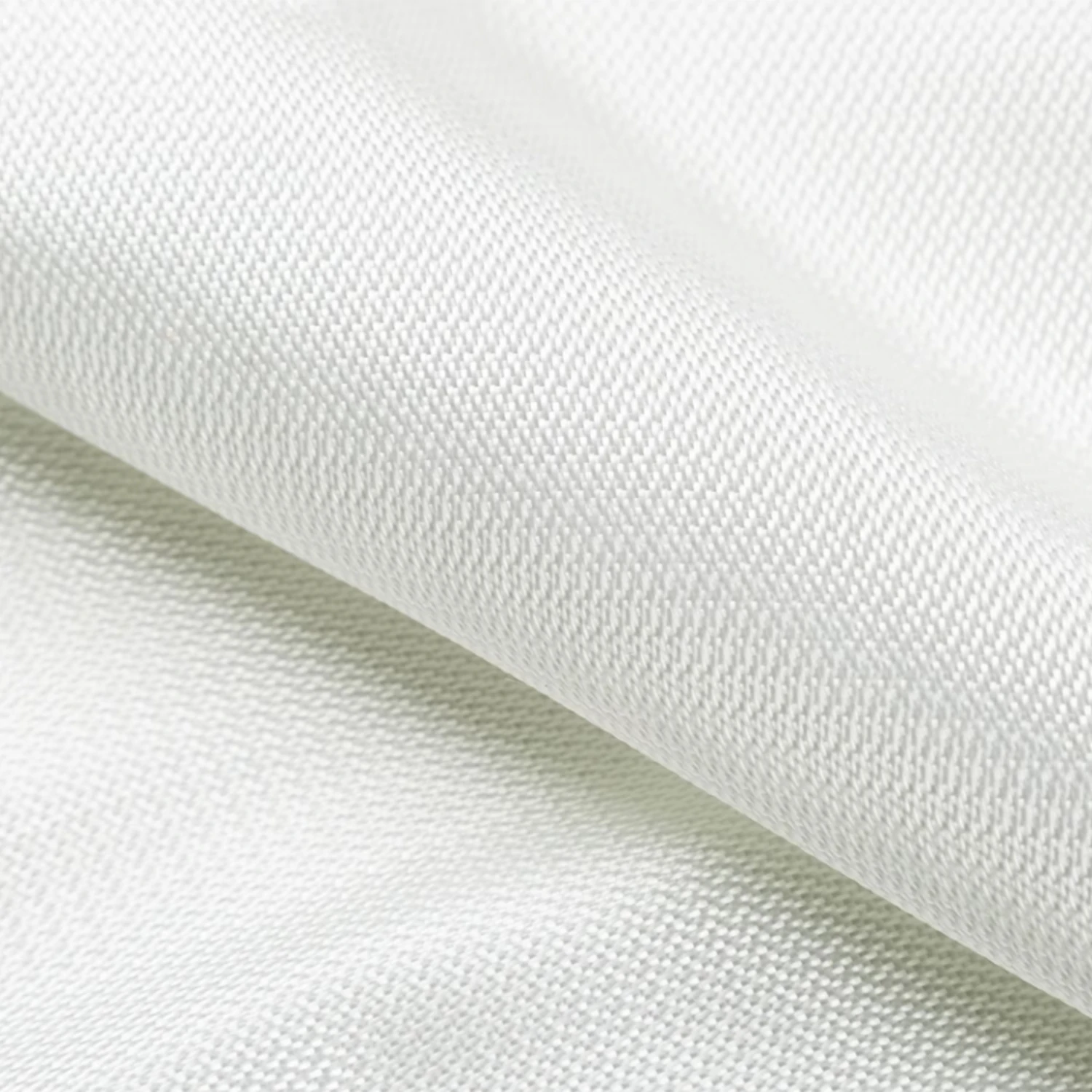
The domestic and industrial E-glass options use plain or twill fiberglass weave; the heavy industrial type uses high-silica fiberglass. Plain, twill, and satin constructions offer different handling characteristics. Edges can be overlocked with aramid or fiberglass thread, with silicone, PU, or acrylic coating options to reduce fiber dust and provide the specified surface finish.
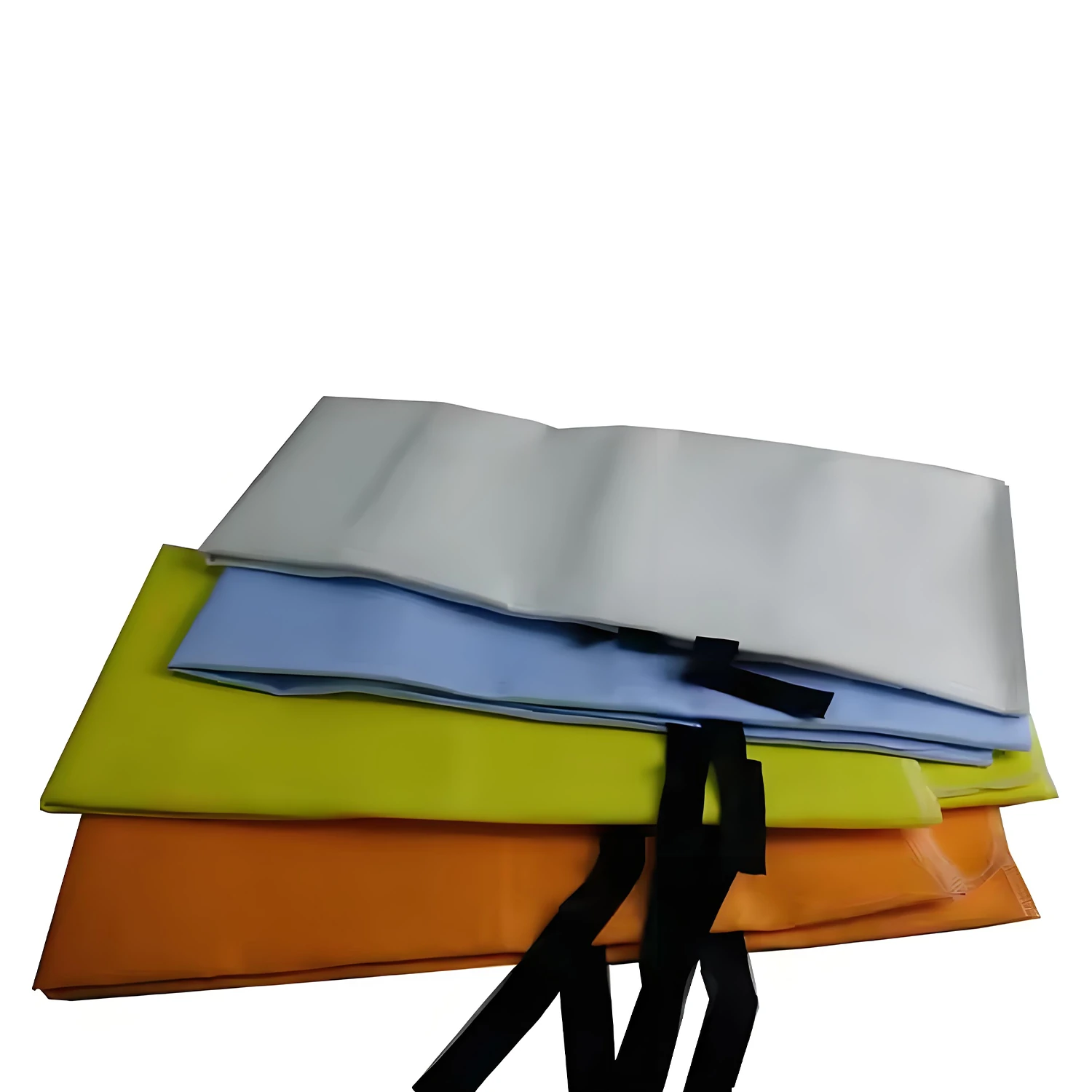
Available blanket sizes range from 1 m × 1 m to 2 m × 2 m (3.28 ft × 3.28 ft to 6.56 ft × 6.56 ft), with thicknesses from 0.4–3 mm (approximately 0.02–0.12 in). Packaging options include PVC wall pouches, boxed kits, and rolls.
Use the type-specific material and temperature data in the table. Fabric strength, weight, thickness, thermal conductivity, and flame behavior are different properties; the corresponding test references do not establish a universal fire-extinguishing rating for every size or fabric.
- Fabric choices: E-glass domestic/industrial options and a high-silica heavy industrial option, selected by duty.
- Temperature data: Type-specific continuous and short-term peak values are listed separately. Peaks are exposure conditions, not an unlimited service or wearer-safety rating.
- Tensile strength: Reported ≥ 450 N (approximately 100 lbf), with ASTM D5035 / D5034 references.
- Material finish: Non-asbestos and halogen-free fabric options, with reinforced edges and optional coatings.
- Installation and packaging: Grommet, holder, pouch, boxed-kit, or roll arrangements according to the selected application.
- Domestic fire response: A suitable finished blanket can cover a small cooking-fire source to limit oxygen access. Replace a domestic fire blanket after fire use.
- Homes, hotels, and kitchens: Select a finished domestic blanket with the required cooking-fire documentation, size, accessible wall storage, and use instructions. It forms part of the fire-safety provision alongside appropriate extinguishers.
- Laboratories, garages, and workshops: Industrial fabric options can serve planned heat- or spark-shielding duties according to the material and installation requirements. A material flame test does not establish suitability for energized equipment or chemical-reaction incidents.
- Factories and foundries: Select industrial or high-silica construction by the exposure, thickness, fabric weight, edges, and installation. Use the required specialized hot-work protection for slag or molten-metal duties.
| Type | Material | Continuous Temp. | Short-Term Peak | Area Weight | Thickness | Weave Type | Intended Supply Duty | Testing Standard / Method |
| Type A – Domestic Grade | E-glass fiberglass (plain weave) | 550 °C (1022 °F) | 800 °C (1472 °F) | 430–600 g/m² (12.7–17.7 oz/yd²) | 0.4–0.8 mm (0.02–0.03 in) | Plain | Domestic small cooking-fire response | ASTM F1989 / EN 1869 |
| Type B – Industrial Grade | E-glass fiberglass (twill weave) | 700 °C (1292 °F) | 1000 °C (1832 °F) | 800–1200 g/m² (23.6–35.4 oz/yd²) | 1.0–2.0 mm (0.04–0.08 in) | Twill | Industrial heat and spark shielding | ASTM D5035 / NFPA 701 |
| Type C – Heavy Industrial Grade | High-silica fiberglass | 1000 °C (1832 °F) | 1200 °C (2192 °F) | 1200–1500 g/m² (35.4–44.25 oz/yd²) | 2.0–3.0 mm (0.08–0.12 in) | Satin | Industrial high-temperature shielding | ASTM D3776 / ASTM C177 |
| Tensile Strength | ≥ 450 N (≥ 100 lbf) | – | – | – | – | – | – | ASTM D5035 / D5034 |
| Thermal Conductivity | ≤ 0.04 W/m·K (at 100 °C) | – | – | – | – | – | – | ASTM C177 |
| Edge Reinforcement | Aramid / fiberglass overlock stitch | – | – | – | – | – | – | Internal QC |
| Packaging Options | PVC wall pouch / boxed kit / roll | – | – | – | – | – | – | – |
| Standard and Material-Test References | ASTM F1989-05, EN 1869:2019, AS/NZS 3504:2006, UL 94 VTM-0, NFPA 701 | – | – | – | – | – | – |
- ASTM D578: Specifies continuous-filament glass-fiber strand requirements.
- ASTM F1989: Specification for cooking fire suppression blankets.
- ASTM D1777: Test method for thickness of textile materials.
- ASTM D3776: Test method for fabric mass per unit area.
- ASTM C177: Guarded-hot-plate method for steady-state heat flux and thermal transmission properties.
- ASTM D5035: Strip method for textile breaking force and elongation.
ASTM F1989 and EN 1869 address finished fire blankets for their specified small-fire uses. NFPA 701 and UL 94 are material flame-test references; ASTM D5035 / D5034, D3776, D1777, and C177 address other textile or thermal properties. Specify the documentation required for the exact finished blanket or industrial fabric configuration.
For bulk or OEM supply, provide the intended duty, domestic or industrial type, dimensions, fabric weight and thickness, continuous and peak exposure conditions, coating, edge/grommet finish, quantity, destination market, labeling, deployment pouch or roll format, and required standard/documentation.

- Position for access: Store a finished domestic fire blanket in its deployment pouch or holder where it can be reached without approaching the fire source. Follow the supplied instructions.
- Small-fire response: Use a suitable blanket only for the small-fire duty stated in its instructions, with a clear escape route. Do not move a burning pan; leave it covered until cool. If the fire cannot be safely controlled, leave and call emergency services.
- After fire use: Replace a domestic fire blanket after deployment on a fire. A visual check alone does not establish suitability for another firefighting use.
- Industrial shielding: Follow the selected material and installation instructions for inspection, cleaning, and retirement. Industrial shielding reuse is a separate duty from repeated domestic fire suppression.
Recommended Fire Safety Equipment

Welding Blankets
- Fiberglass or high-silica fabric options
- Continuous material range 1022–1832°F
- Short-term peaks up to 3452°F
- Fabric weight 200–3000 g/m²

EV Blankets
- DIN SPEC 91489 reference
- Material heat-resistance option 2552°F
- Silicone or graphite coating options
- Fabric weights 14.2, 17.1 or 23.6 oz/yd²

CO₂ Fire Extinguisher
- Class B and electrical-equipment hazards
- CK45 steel or aluminum cylinder options
- 2.5, 5, 10 or 20 lb agent models
- Model-specific documentation for supply